
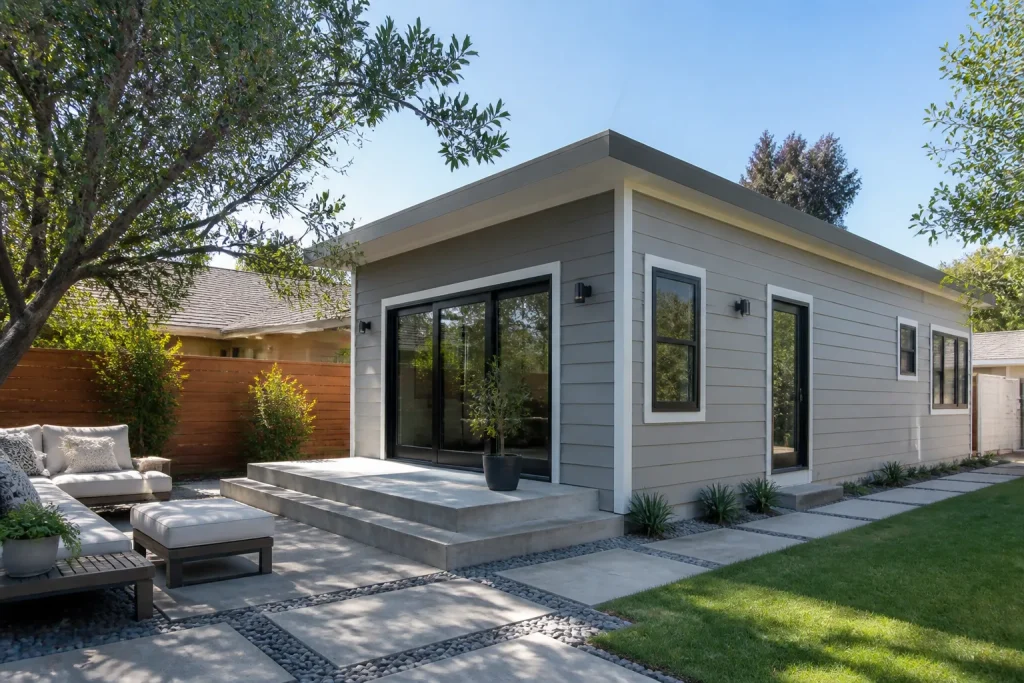
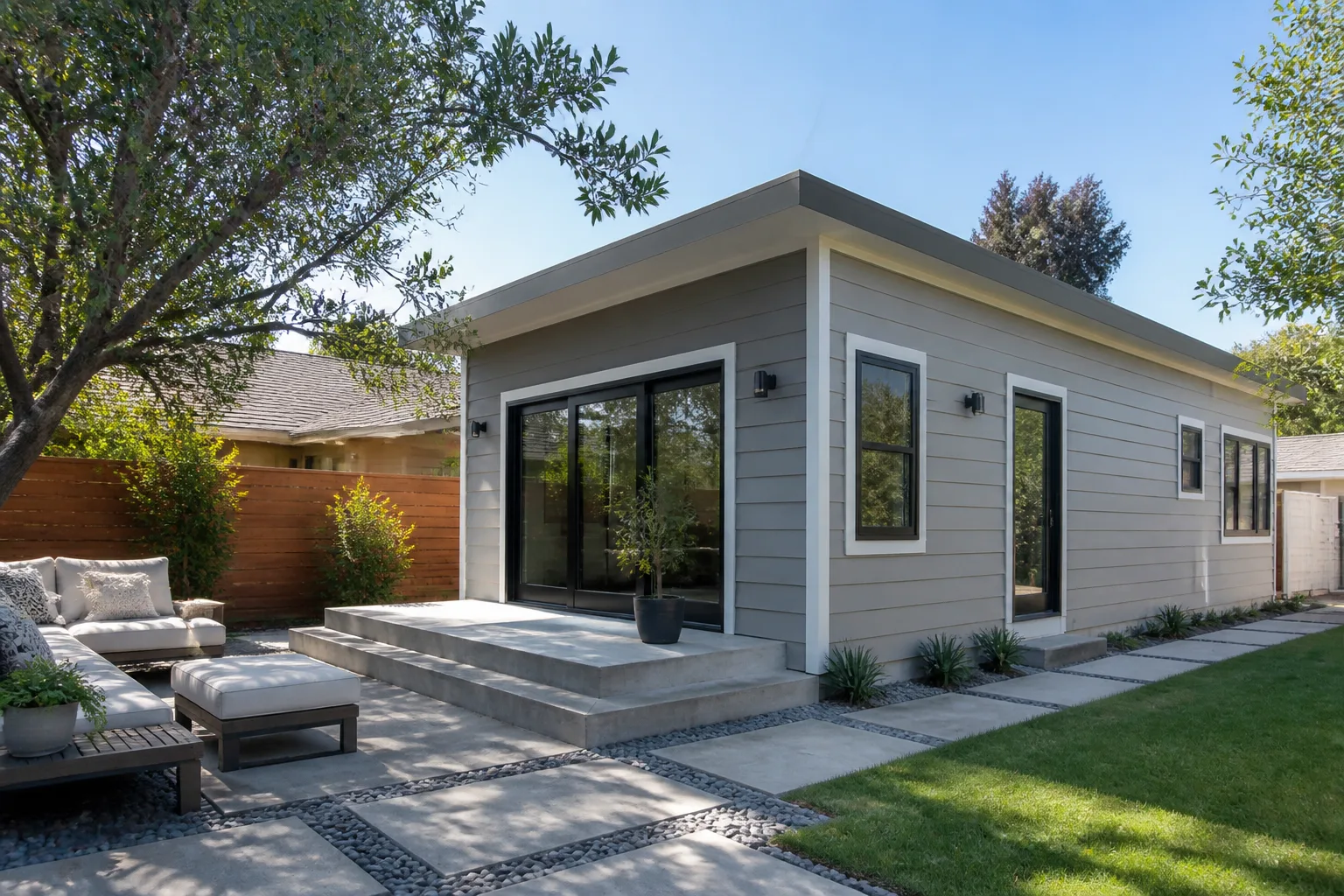
James Hardie Room Addition Contractor in Los Angeles: A Homeowner’s Guide
Most homeowners searching for a “James Hardie room addition contractor in Los Angeles” are asking the wrong question. James Hardie certifies installers on siding technique, not on room addition permitting or structural work. A contractor can hold a Hardie product certification and still have zero permitted additions on their license history. This guide explains what to verify beyond the product spec sheet so you don’t pay a premium for a badge that doesn’t prove what you actually need.
If you’d rather skip the research and talk to someone who does permitted room additions in Los Angeles with James Hardie siding, call (361) 315-4177 for a free estimate.
What a James Hardie Credential Actually Proves (and What It Doesn’t)
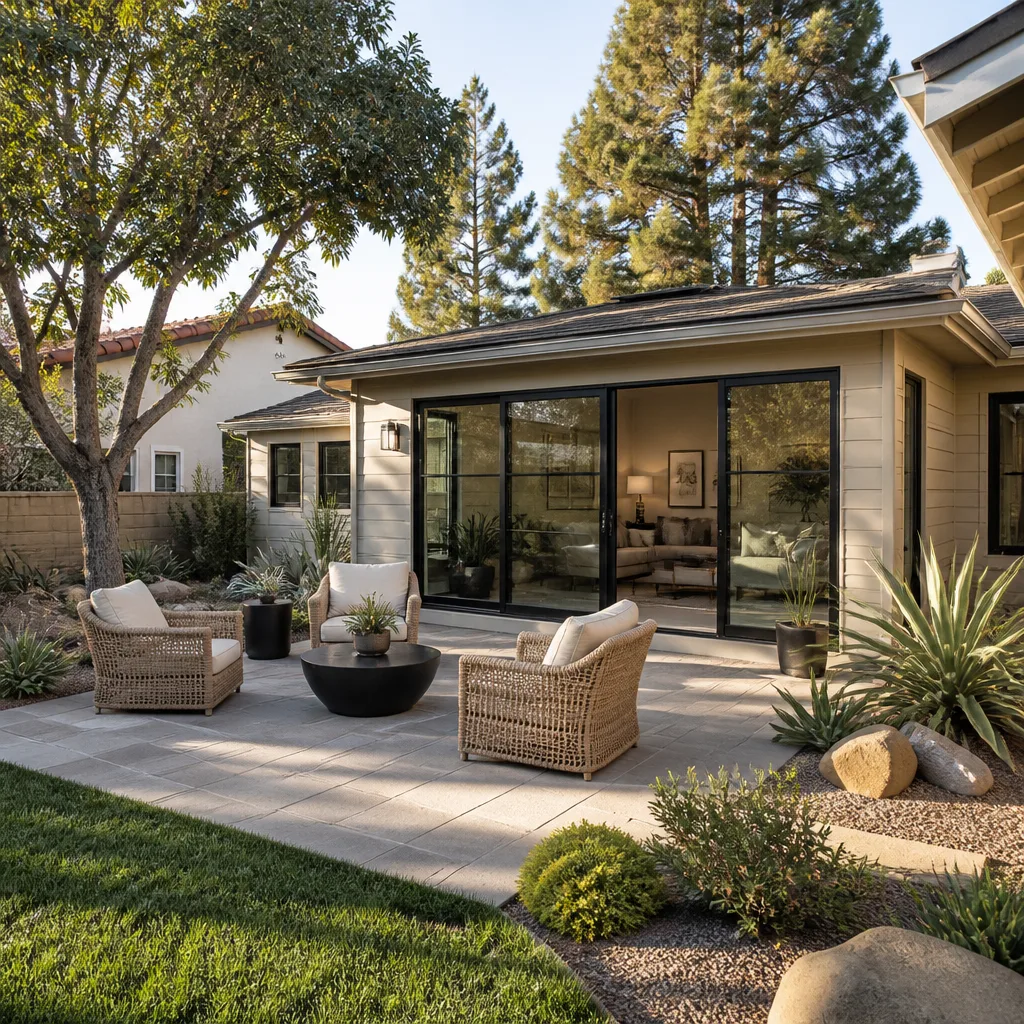
James Hardie runs installer training programs and a Preferred Remodeler network. Those credentials mean the contractor attended product training and demonstrated installation technique on siding jobs. They do not verify structural engineering, foundation work, framing inspections, or permit history. In Los Angeles, a room addition requires a building permit, structural plans, and multiple inspections through LADBS. A siding certification never touches any of that.
We’ve walked onto Los Angeles job sites where the previous contractor handed the homeowner a Hardie certificate and used it to imply full room addition expertise. The siding looked fine for two years. The unpermitted framing underneath did not hold up, and the homeowner paid twice: once for the original work, again for us to open walls, pull permits retroactively, and correct structural deficiencies before LADBS would sign off.
Here’s what you should ask for instead:
- Your California contractor’s license number and a current CSLB license check
- A list of permitted room additions completed in Los Angeles in the last five years
- Permit numbers for those projects so you can verify through LADBS records
- The name of the structural engineer who stamps the plans
- Proof of the siding installation certification, but only after the structural questions are answered
Why James Hardie Siding Makes Sense for Los Angeles Room Additions
Fiber-cement siding is one of the better exterior choices for a Los Angeles room addition, and the reasons are specific to this region. The material carries a Class A fire rating, which matters in the hillside and canyon zones where Los Angeles County fire codes get strict. It stands up to sun exposure without the warping you see in some vinyl products after a few hot summers in the San Fernando Valley. And it resists the salt air corrosion that eats at metal siding in coastal neighborhoods like Playa del Rey, San Pedro, and Venice.
The material itself costs more than vinyl or basic wood siding. That price difference is the point. A contractor quoting a Los Angeles room addition with James Hardie siding at a vinyl-siding price is either cutting corners on installation or planning a change order once walls are open. Fiber-cement requires specific fasteners, proper flashing details, and correct gap spacing. Installed wrong, the product warranty gets voided, and you’ll see cracking at the seams within two seasons.
We use James Hardie on conventional builds and pair it with the structural work that room additions actually demand. When a homeowner wants a faster path, we’ll also talk through prefab options like Cover or Dvele, where the siding arrives as part of an engineered panel system. Different budgets, different lots, same standard on the finishing work.
How to Verify a Contractor Before You Sign
Start with the Contractors State License Board. Every legitimate Los Angeles contractor carries a California license, and the CSLB database shows you the license classification, any disciplinary actions, and bond status. But the license check is only step one. You also want to see the contractor’s permitted addition history, because a license proves they can legally work, not that they’ve done this specific type of project well.
Here’s the verification sequence we recommend to any Los Angeles homeowner:
- Pull the CSLB record. Look for any complaints, suspensions, or revocations. A clean record should be the baseline, not a selling point.
- Ask for permit numbers from past room additions. Call LADBS or use their online permit portal to confirm those permits were issued, inspected, and closed.
- Ask who stamps the structural drawings. A licensed California structural engineer should be involved. If the contractor says “we handle that in-house” and doesn’t produce an engineer’s name, walk away.
- Confirm the crew situation. Ask if the workers on site are employees or day labor. We send background-checked, uniformed crews on every project, so homeowners know exactly who is on their property.
- Request the written price before any work starts. If the contractor won’t put the number in writing before demolition begins, you’re already looking at a moving target.
One honest mistake Los Angeles homeowners make is trusting a polished proposal without checking the permit history behind it. A Hardie Preferred Remodeler badge on a website is not evidence of one permitted room addition. The permit record is evidence. Ask for it.
What Your Contract Should Say About the Siding
The contract is where a good Los Angeles room addition either gets protected or goes wrong. Most contractor agreements mention materials in a single line: “James Hardie siding, color TBD.” That’s not enough. A proper contract specifies the material grade, the installation method, and who carries responsibility if the siding fails because of improper installation.
Specifically, your contract should include:
- Exact product line and profile. HardiePlank lap siding, HardiePanel vertical siding, or HardieShingle. Each has different installation requirements and different failure modes.
- Fastener type and spacing. Fiber-cement requires corrosion-resistant nails or screws, and the manufacturer specifies the penetration depth and edge distances.
- Flashing details. Where the siding meets windows, doors, and roof lines. Water intrusion at these junctions is the most common failure point in Los Angeles room additions.
- Gap spacing at joints and trim. This one detail, done wrong, causes the cracking that homeowners assume is a product defect. It’s not. It’s an installation error.
- Who is responsible if the warranty is voided by bad installation. James Hardie’s warranty covers manufacturing defects. It does not cover installation errors. Your contractor should stand behind the workmanship, in writing.
We put every one of these points in writing before any work starts. It’s part of how we operate, the price goes in writing on day one, and the number you approve is the number on the final invoice. If a Los Angeles contractor won’t specify installation details in the contract, the vague language isn’t an oversight. It’s a liability shift.
Real Costs for a Hardie-Sided Room Addition in Los Angeles
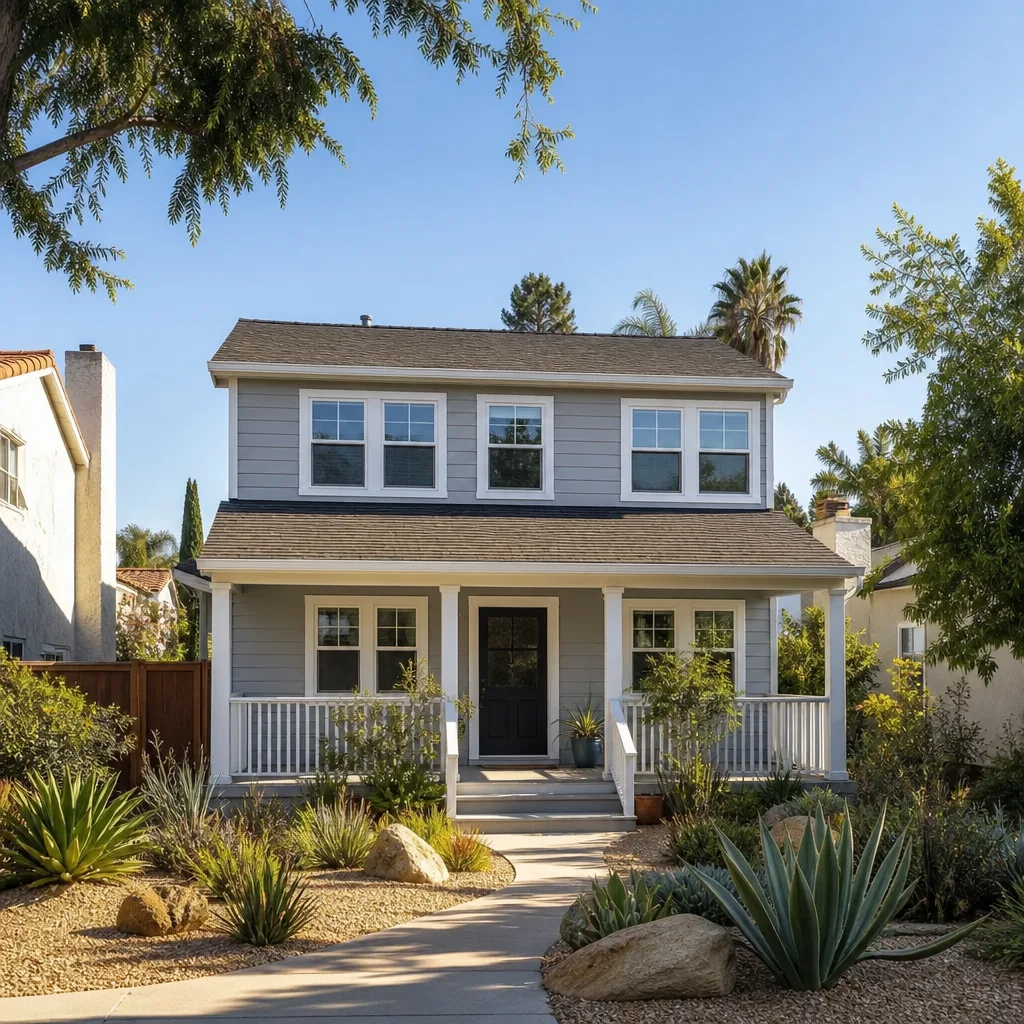
Los Angeles room addition costs vary by condition, neighborhood, and scope, but homeowners should expect a permitted addition with James Hardie siding to run between $380 and $550 per square foot before permit fees and engineering. A 400-square-foot addition typically sits in the $150,000 to $220,000 range. At the lower end, you might find a simple bump-out on a flat lot in the Valley. At the higher end, a second-story addition in a hillside fire zone with complicated access and foundation work pushes the number up.
Here’s a realistic breakdown for a mid-size Los Angeles room addition:
- Foundation and structural framing: $38,000 to $55,000
- Permits, plans, and engineering: $8,000 to $15,000
- James Hardie siding, materials and installation: $12,000 to $22,000 depending on product line and detail work
- Roofing, windows, doors: $25,000 to $40,000
- Electrical, plumbing, HVAC: $20,000 to $35,000
- Insulation, drywall, paint, flooring: $25,000 to $40,000
If a bid comes in at $90,000 for a 400-square-foot Hardie-sided addition, you are looking at a contractor who is skipping something: the permit, the engineering, the flashing details, or the crew labor. None of those corners are worth the savings. We pulled a half-finished addition out of a garage over in Highland Park last year where the original contractor quoted $85,000 and walked off the job after rough framing. By the time we finished it, the homeowner had spent more than the original accurate bid would have cost, plus months of delay.
When to Call a Professional
You can research James Hardie products, check CSLB records, and compare bids on your own. You should. But when it comes time to pull permits, tie into the existing structure, and get the work through LADBS inspections, a professional who does this work regularly is worth the cost. Room additions are not a weekend project, and Los Angeles building codes don’t bend for enthusiasm.
We see homeowners through this process every week. Some of them started as DIY researchers and decided, after their third bid comparison, that the risk wasn’t worth the savings. Others came to us after a bad first attempt. Either way, the conversation starts with a written price and a straight answer.
Related services in Los Angeles: Room Addition Contractor in Los Angeles, Garage Conversion Contractor in Los Angeles, and ADU Builders in Los Angeles.
The Bottom Line
James Hardie siding is a material choice, not a contractor credential. Before you hire anyone for a room addition in Los Angeles, verify the CSLB license, ask for permitted addition history with real permit numbers, and get the installation details in writing. A Preferred Remodeler badge means someone attended product training. It does not mean they’ve ever completed a permitted room addition in Los Angeles.
Fielding ADU Builders writes the price before work starts, pulls the permits, sends background-checked crews in uniform, and backs every room addition with the Garrison Standard: a written one-year guarantee. If something fails inside that year, we come back and correct it at no charge. The Garrison Code is how we operate, and it has been in place since 2006: show up in the window, price in writing, by the book, leave it clean, stand behind it for a year.
If you’re in Los Angeles and need help with a James Hardie room addition, Fielding ADU Builders home offers free estimates. Call (361) 315-4177 and we’ll walk you through what your project needs.
Frequently Asked Questions
A permitted room addition with James Hardie siding in Los Angeles typically costs between $380 and $550 per square foot, so a 400-square-foot project lands between $150,000 and $220,000 before permit fees. Smaller bump-outs on flat lots start closer to $130,000. Bids well below that range usually skip permits, engineering, or proper siding installation, and the homeowner pays for those omissions later. Call (361) 315-4177 for an exact quote on your project, estimates are free.
Check the contractor’s license on the CSLB website for complaints or disciplinary actions, then ask for permit numbers from past room additions they’ve completed in Los Angeles. Use the LADBS online portal to confirm those permits were issued and closed. A James Hardie installer certification is not a substitute for a permitted addition history. If a contractor won’t provide permit numbers, that’s your answer.
It shouldn’t, if you have a written contract that specifies scope, materials, installation details, and a fixed price. At Fielding ADU Builders, the price goes in writing before any work starts, and the number you approve on day one is the number on the final invoice. Change orders should only happen when you, the homeowner, choose to change the scope. Call (361) 315-4177 for a free estimate with a written price.
James Hardie’s product warranty covers manufacturing defects, not installation errors. If the siding cracks or water gets through because of bad installation, the contractor is responsible, but only if they stand behind their work in writing. Fielding ADU Builders backs every Los Angeles room addition with the Garrison Standard: a written one-year guarantee. If something fails inside that year, we return and correct it at no charge.
Written by the team at Fielding ADU Builders.
Need ADU Help?
Call Fielding ADU Builders - licensed & insured, here with fast after-hours help in Los Angeles.
(361) 315-4177