
Cover Room Addition Contractor in Los Angeles: A Homeowner’s Guide
Cover’s app-based design platform can produce permitted-ready ADU drawings in weeks, not months. But the average Los Angeles permit review still takes 8 to 14 weeks regardless of how the design was generated. That means your timeline is set by the city, not the app. If you’d rather skip the research and talk to someone who builds these every week, call (361) 315-4177.
What Cover Actually Delivers: Drawings, Not a Finished Room
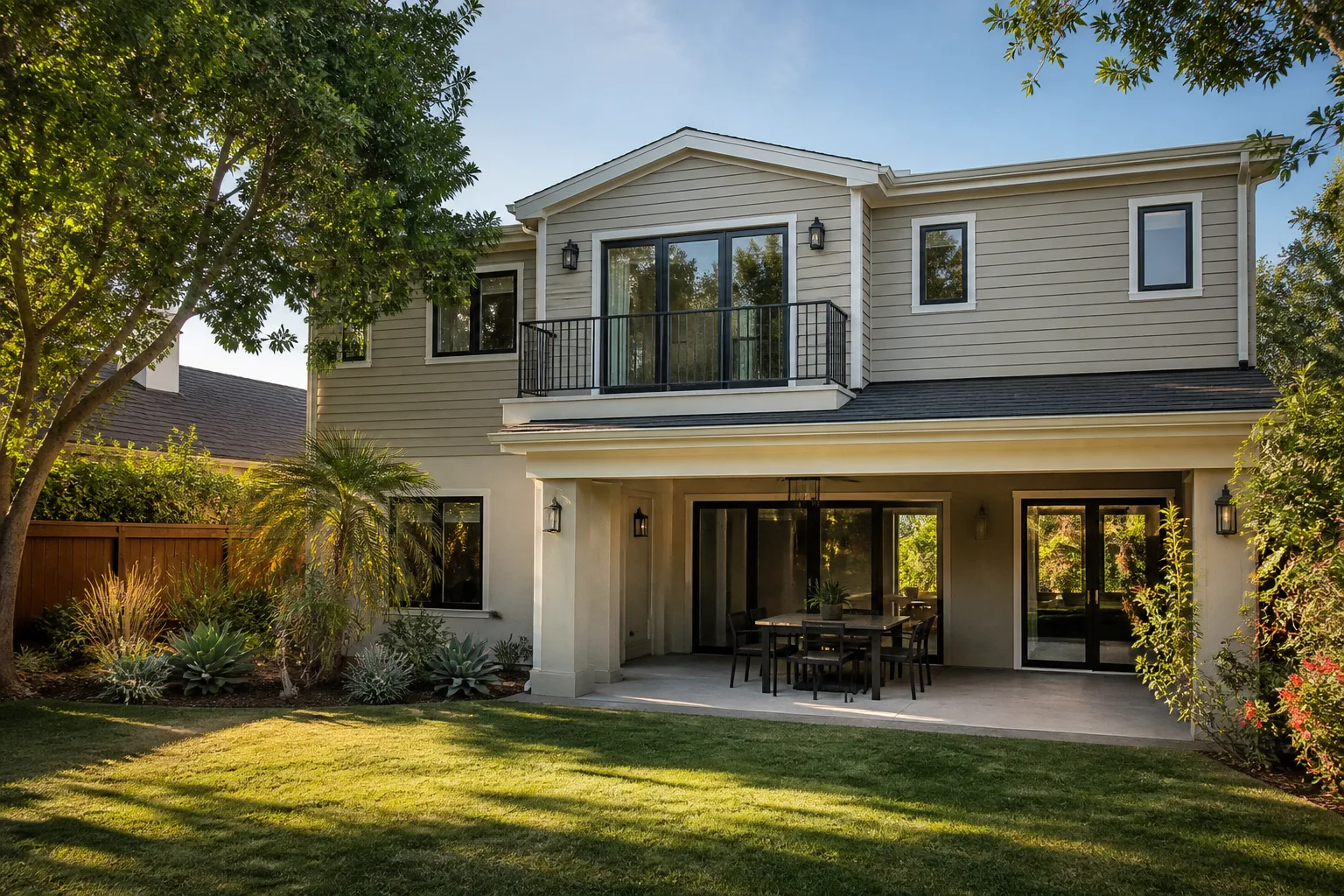
Cover is a design and prefab company. Their platform lets you configure an ADU online, see a 3D model, and receive a set of construction drawings that are engineered for permit submission. The drawings are typically stamped by a California-licensed engineer. That part is real and useful.
What Cover does not deliver is the construction itself in Los Angeles. You still need:
- Site preparation: demolition, grading, tree removal, trenching
- Foundation work: concrete, anchors, slab leveling
- Utility connections: water, sewer, gas, electrical service upgrade
- Permit management: responding to LADBS plan check corrections
- Inspections: scheduling and passing each phase with the city
- Construction management: sequencing subcontractors, material deliveries, weather delays
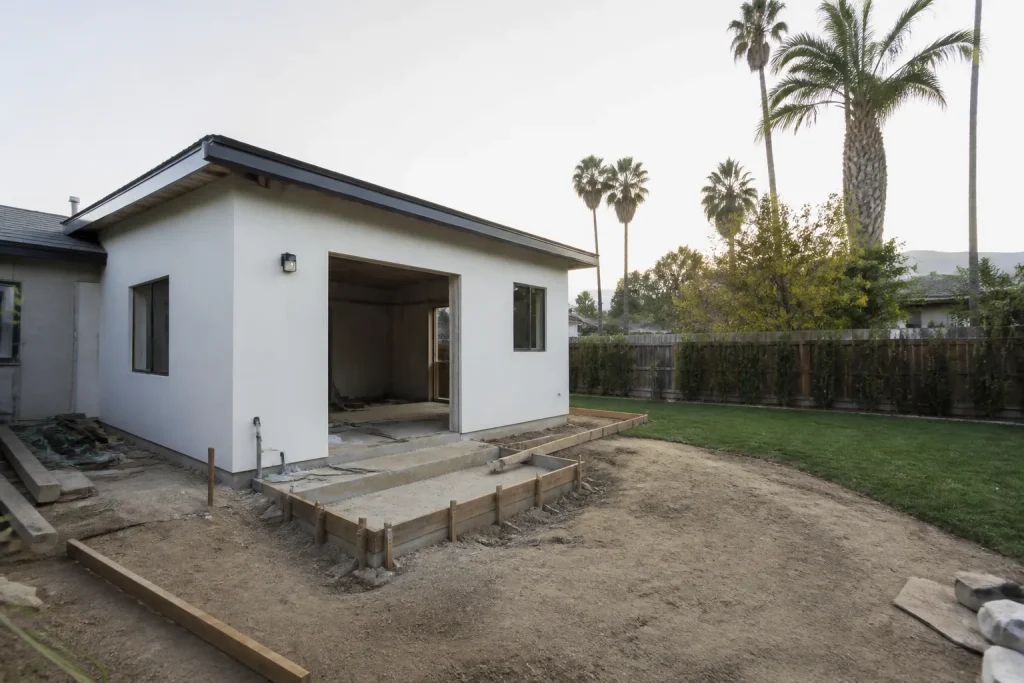
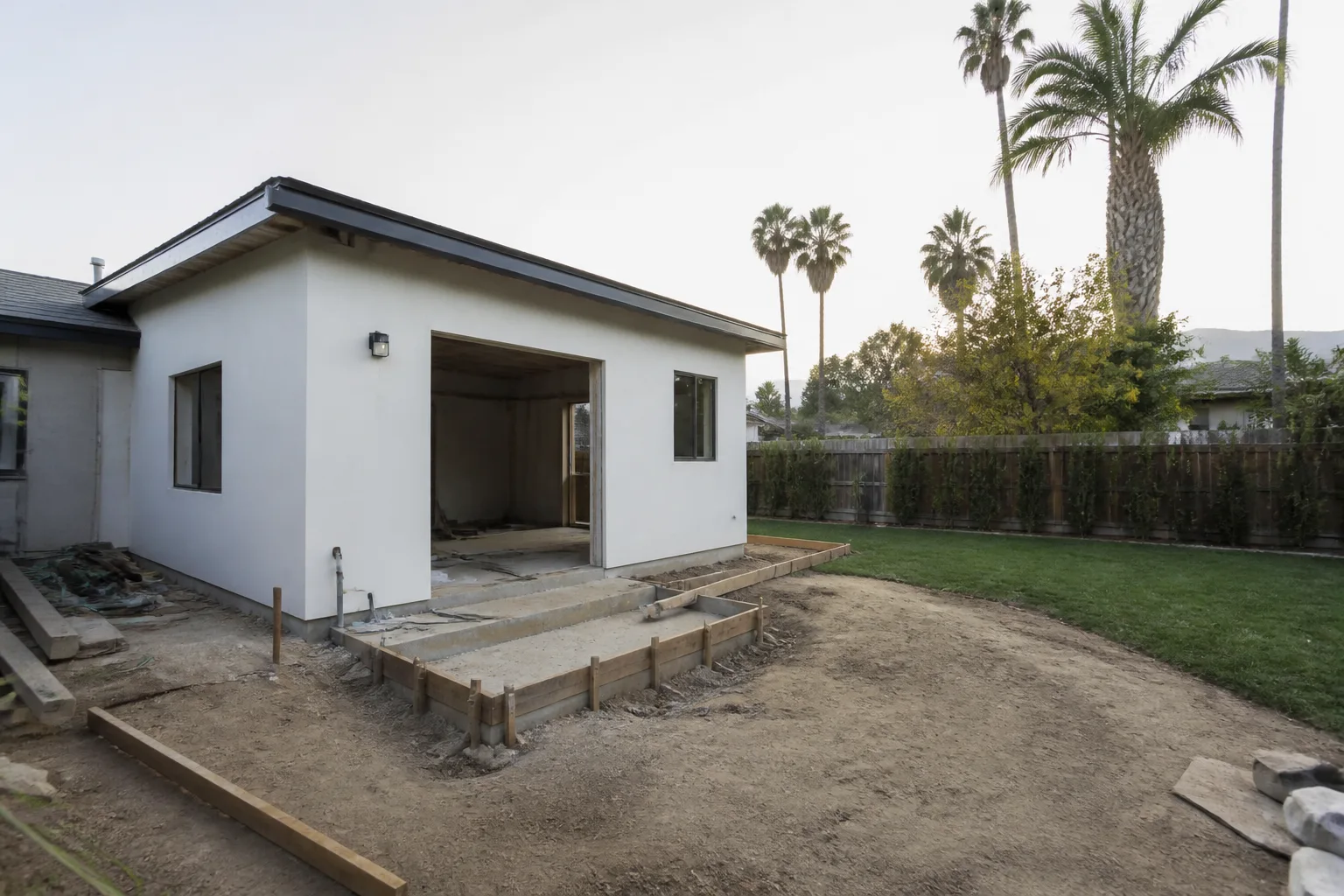
We’ve pulled a Cover-designed ADU out of a bind over in Eagle Rock last spring where the homeowner had beautiful drawings and no one to pour the foundation. The drawings were fine. The disconnect was between the product and the ground it had to sit on. That seam is where a local room addition contractor in Los Angeles owns the outcome.
How Much Does a Cover ADU Cost in Los Angeles?
Cover’s published pricing for their prefab units typically starts in the $200,000 range before site work, and that number climbs depending on finishes, size, and utility complexity. But the unit cost is one line item in a five-plus-line-item project. Here is what a full Los Angeles build actually looks like:
- Cover unit (shell, finishes, MEP rough-in): $200,000 to $350,000 depending on size and upgrades
- Foundation and grading: $25,000 to $60,000 depending on slope conditions and soil
- Utility connections and upgrades: $15,000 to $45,000 if your panel needs a service upgrade or the sewer lateral is deep
- Permits and plan check fees: $8,000 to $20,000 depending on scope and school district fees
- Site work and landscaping restoration: $10,000 to $30,000 depending on access and what gets torn up
In Los Angeles, the rule of thumb is that site work adds 30% to 50% on top of the prefab unit cost. A contractor who hands you a single number without breaking out these categories is guessing, and you’ll find out the real number after the trench is open. We put the Fielding ADU Builders price in writing before any work starts, with line items you can read.
Los Angeles Site Conditions Cover’s Remote Design May Miss
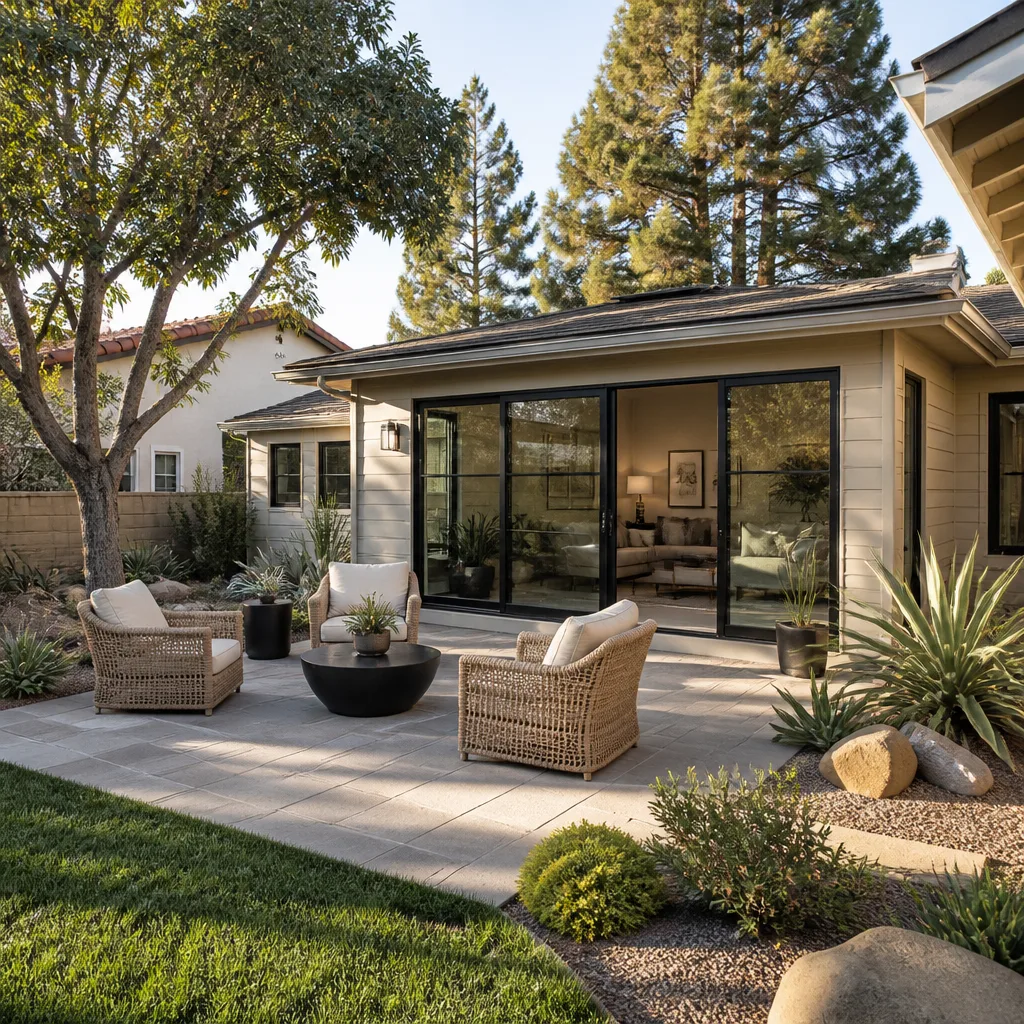
Cover’s design process is remote. You answer questions in an app, upload photos, and the design team works from that information. It’s efficient. But Los Angeles lots have conditions that don’t show up in a phone photo.
Slope is the biggest one. A lot that looks flat from the street can drop 18 inches across 40 feet. That changes foundation design, drainage requirements, and how the unit sits relative to the property line. Soil type matters too: parts of the San Fernando Valley have expansive clay that moves with moisture, while hillside lots in neighborhoods like Mount Washington sit on decomposed granite. Each soil behaves differently under a foundation.
Existing utility locations are a third variable. The sewer lateral might run exactly where the ADU needs to go, or the electrical panel might be on the wrong side of the house. Cover’s drawings won’t show you a $12,000 panel upgrade hiding in the scope.
This is not a knock on Cover. It’s a statement about what remote design can see. A local contractor who walks the lot before you sign anything catches what the app cannot. In our experience, that one site visit saves homeowners more money than any design efficiency.
How to Vet the Local Contractor Who Builds a Cover ADU
If you buy Cover’s design package and hire your own builder, the contractor selection is the single biggest variable in whether the project finishes on time and on budget. Here’s what we tell homeowners in Los Angeles to check before signing:
- Verify the license. Check the California State License Board website. The license number should be active, with no open disciplinary actions. If a contractor won’t give you the number in writing, walk away.
- Ask who pulls the permit. The contractor’s name should be on the permit, not a subcontractor’s. If the permit is in someone else’s name, that’s who legally owns the work.
- Get the warranty terms in writing. Ask what’s covered, for how long, and what happens if something fails. A verbal promise is not a warranty. Our warranty runs 365 days and is handed to every customer in writing under The Garrison Standard.
- Ask about change orders before work starts. What triggers a change order? What’s the markup? Get the process in writing. A contractor who cannot explain how change orders work is a contractor who will surprise you later.
- Confirm who shows up on site. Are the crew members employees, subcontractors, or day labor? Background-checked and uniformed crews are a signal that the company controls its jobsite. We run background checks on every person who sets foot on your property.
Cover’s Full-Service Model vs. Independent Contractor + Cover Drawings
Cover offers a full-service path where they act as the general contractor through their own licensed partner in California. The advantage is a single point of accountability. The tradeoff is less flexibility on local decisions, and the site work is still subcontracted to local crews the homeowner doesn’t choose.
The alternative is buying Cover’s design package and hiring an independent licensed contractor in Los Angeles, like ADU builders in Los Angeles who run their own crews. Here’s the honest comparison:
Cover full-service
- One contract, one invoice
- Faster design-to-permit timeline
- Less control over local subcontractor selection
- Prefab unit locked to Cover’s manufacturing schedule
Independent contractor + Cover drawings
- You choose the builder, verify the license, and negotiate the warranty
- Contractor can slot the build into your timeline, not a factory queue
- Local contractor handles permit corrections directly with LADBS
- You get competitive pricing on site work instead of bundled markup
There’s no universal right answer. If you want the simplest path and are comfortable paying for it, Cover’s full-service model works. If you want a written price from someone who walks your lot and answers the phone when the inspector has questions, hire local. We work with prefab and modular platforms including Mighty Buildings, Boxabl, and Plant Prefab, and we are comfortable building from Cover’s drawings. The drawings are rarely the problem. The execution is where the risk sits.
What Your Contract Should Say: Warranty, Inspections, and Change Orders
This is the part most homeowners skim. Don’t. The contract is the only thing that protects you when the project goes sideways. Here’s what a serious Los Angeles construction contract should contain:
- Inspection accountability: The contractor is responsible for scheduling inspections, being present for them, and correcting any failed items. Not the homeowner. Put that in writing.
- Change-order authorization: No work outside the original scope happens without a written, signed change order that lists the new price. No verbal approvals, no “we’ll settle up at the end.”
- Warranty terms: Coverage period, what’s included, what’s excluded, and the process for making a claim. The Garrison Standard covers workmanship defects for 365 days. If something fails, we come back and make it right at no charge. That sentence is in the contract.
- Payment schedule: Tied to completed milestones, not calendar dates. No big upfront deposits. California law caps the down payment at $1,000 or 10% of the contract price, whichever is less, for home improvement contracts.
- Permit responsibility: Who pulls the permit, who pays the fees, and what happens if plan check comes back with corrections. In Los Angeles, LADBS corrections are normal. The question is who absorbs the cost and the delay.
If a contractor won’t put these items in writing before work starts, the price on day one is not the price on the final invoice. We hand every customer a written price before a single nail is driven, with no exceptions. That’s the Garrison Code: show up in the window, price in writing, by the book, leave it clean, stand behind it for a year.
When to Call a Pro
You do not need a contractor to download Cover’s app and play with a design. That part is genuinely fun, and it’s a good way to think through layout before spending real money. You need a contractor when the design is done and the ground has to get ready for it. Foundation work, utility connections, and permit management in Los Angeles are not Do-It-Yourself territory. A sewer lateral that gets cut during trenching is a five-figure repair and a two-week delay. Let a licensed pro own that risk.
Related services in Los Angeles: if you’re weighing an ADU against a garage conversion contractor in Los Angeles, the cost and permit complexity differ meaningfully. A garage conversion often reuses an existing foundation and walls, which cuts cost substantially compared to a ground-up prefab ADU.
The Bottom Line
Cover solves the design problem. The app produces real drawings faster than a traditional architect, and the designs are clean. What Cover does not solve is the Los Angeles construction problem: permit review timelines, site conditions, utility upgrades, inspections, and warranty accountability. That work belongs to a licensed local contractor, whether it’s Cover’s partner or one you choose yourself.
If you’re in Los Angeles and need help making sense of the seam between a prefab design and the actual build, Fielding ADU Builders offers free estimates. Call (361) 315-4177 and a live person answers, any hour of the day.
Frequently Asked Questions
Total timeline from design to certificate of occupancy typically runs 10 to 16 months. Permit review in Los Angeles takes 8 to 14 weeks regardless of how the design was created, then site work runs 4 to 8 weeks, prefab installation runs 2 to 6 weeks after the unit arrives, and final inspections add another 2 to 4 weeks. The bottleneck is the city, not the app. Call (361) 315-4177 for a realistic timeline on your specific lot.
Yes. Cover designs the unit, but someone has to pour the foundation, connect utilities, manage permits with LADBS, and pass inspections. That someone is a licensed contractor. You can use Cover’s full-service partner or hire your own independent local builder who is comfortable working from Cover’s drawings.
That depends on the contractor, not Cover. If you hire an independent builder and the contract does not include a written change-order process, the price can move. Get the change-order policy, the warranty terms, and the inspection responsibilities in writing before you sign. The Garrison Standard means the price we hand you in writing before work starts is the number on the final invoice.
Cover’s quoted price covers their prefab unit: the module itself, interior finishes, and mechanical, electrical, and plumbing rough-in. It typically does not include Los Angeles site work, foundation, utility connections, permit fees, or landscaping restoration. Site work in Los Angeles commonly adds 30% to 50% on top of the unit price. Call (361) 315-4177 for an exact breakdown on your lot.
Written by the team at Fielding ADU Builders.
Need ADU Help?
Call Fielding ADU Builders - licensed & insured, here with fast after-hours help in Los Angeles.
(361) 315-4177