
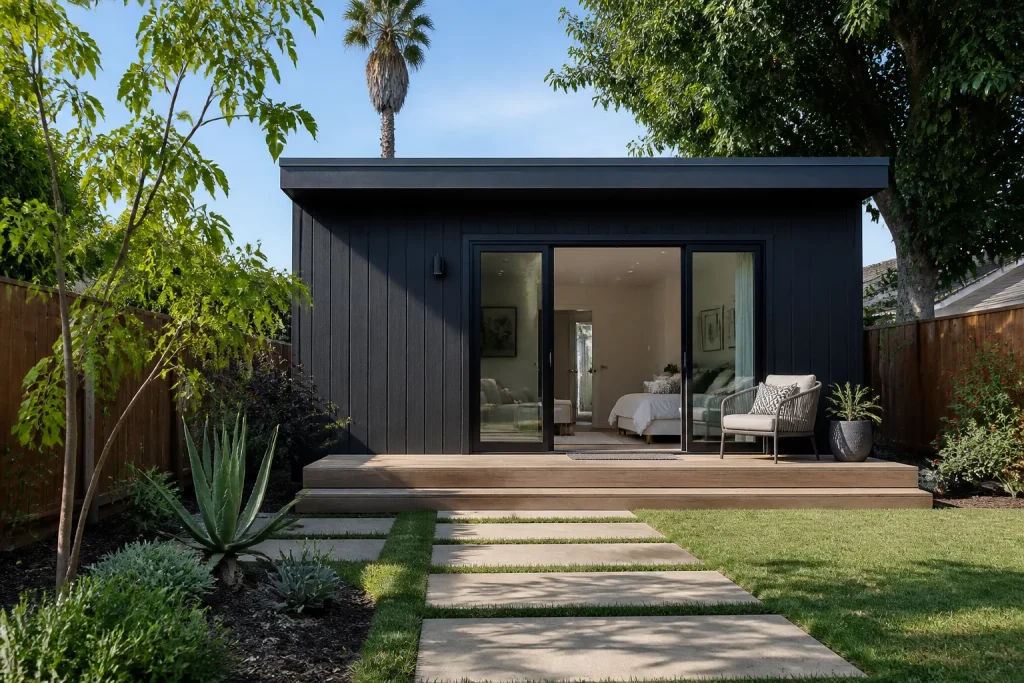
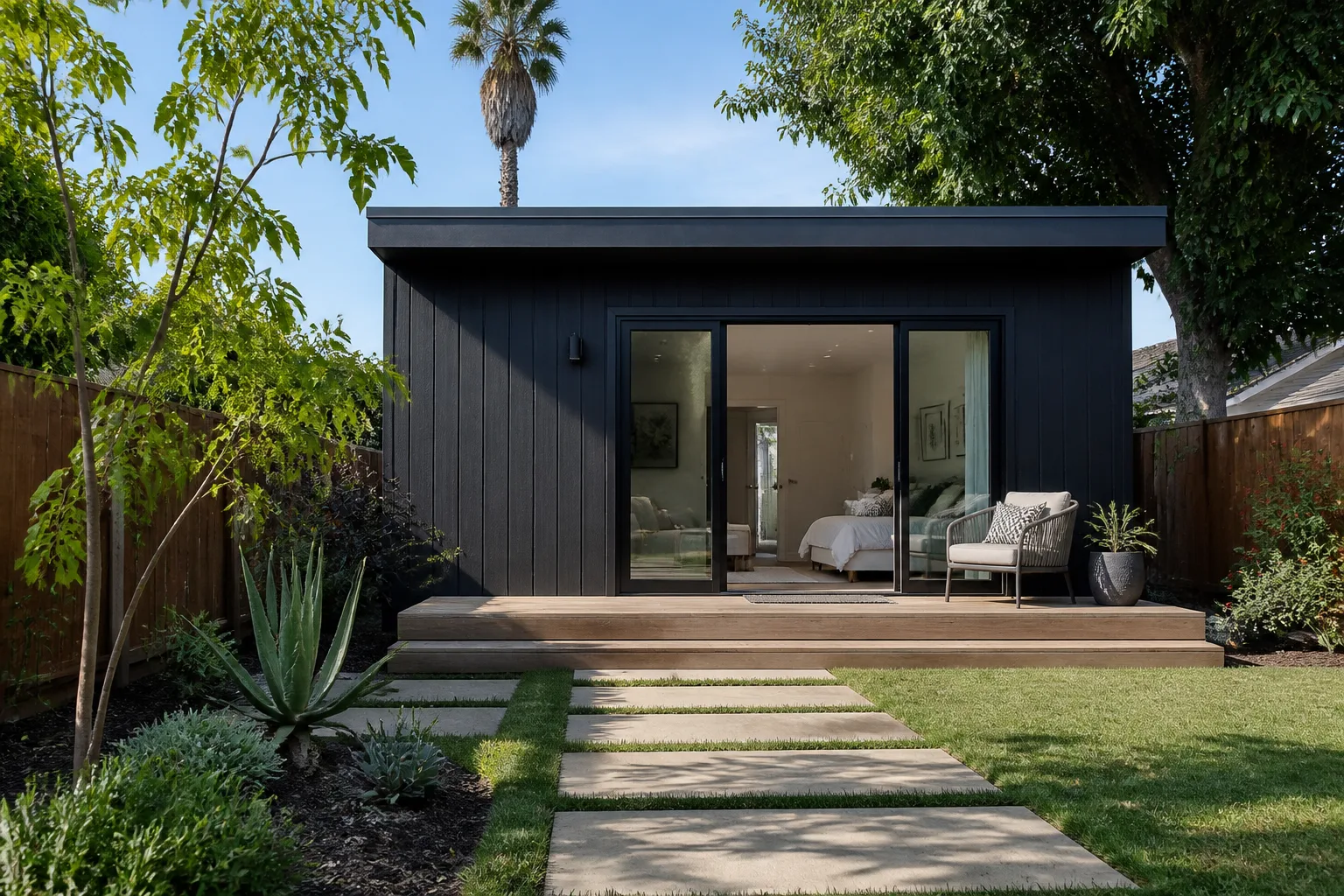
Plant Prefab Room Addition Contractor in Los Angeles: A Homeowner’s Guide
Plant Prefab builds factory-made room modules to California’s Title 24 energy standards and seismic code, which is rare in the modular industry and genuinely useful in Los Angeles. But the product is only half the job. If the local contractor handling your site work, foundation, utilities, and permit coordination has never worked with a modular delivery schedule, you will pay for that gap twice: once in construction delays and again when the quality advantage gets buried under rushed site work. This guide explains how Plant Prefab actually works in LA, what it costs, and how to find a contractor who won’t fumble the handoff.
If you’d rather skip the research and talk to someone who coordinates Plant Prefab builds in Los Angeles regularly, call (361) 315-4177 for a free estimate.
What Plant Prefab Actually Sells, and How It Reaches Los Angeles
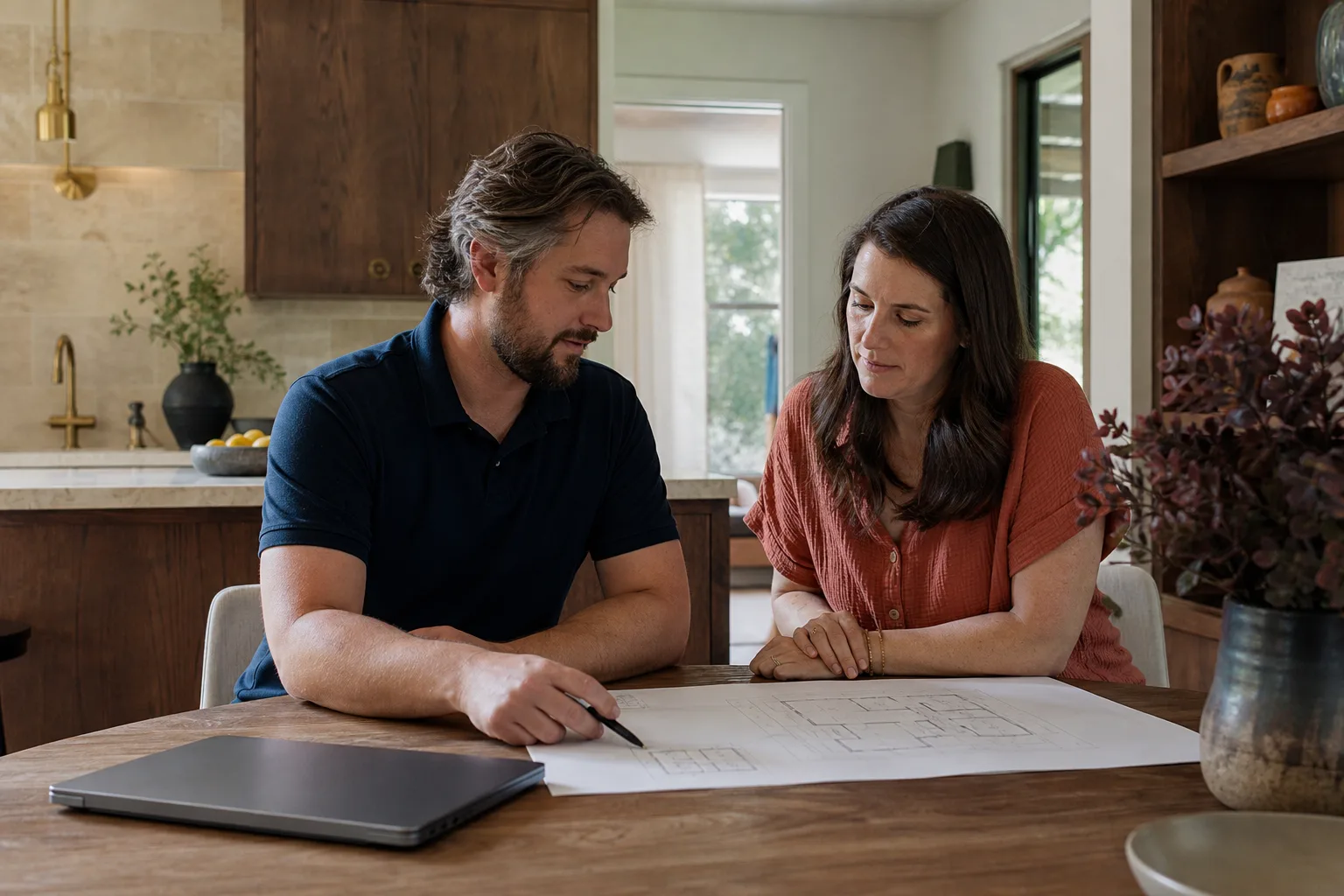
Plant Prefab offers two delivery models: design-build, where their in-house team handles architecture, engineering, permitting documents, and module fabrication; and module-only, where they build the modules to your architect’s or contractor’s specifications and hand the rest to you. Most Los Angeles homeowners adding a room rather than a full ADU end up in a hybrid arrangement: Plant Prefab produces the module, and a local contractor owns everything below the roofline and outside the factory walls.
That distinction matters more than it sounds. A module built to Plant Prefab’s standard has already cleared significant engineering scrutiny before it leaves their facility. But it still has to sit on a foundation that a Los Angeles contractor pours, connects to utilities that LADBS inspects, and lands on a lot that meets local setback and zoning rules. The module is the finished product; the site is where most failures happen.
In Los Angeles, a Plant Prefab room addition typically arrives as one or two modules on a flatbed, set by crane onto a prepared foundation. The factory handles the precision framing, insulation, windows, and interior finishes. The local contractor handles everything else. That split is why we tell homeowners to pick their local contractor before locking Plant Prefab’s production date. The factory will not wait for a foundation that isn’t ready, and you will not want to pay storage fees for a module sitting in a lot while your site catches up.
Plant Prefab Pricing in Los Angeles: What You’ll Pay Per Square Foot
Plant Prefab’s modules generally run $350 to $550 per square foot for the factory-built portion, depending on finishes, complexity, and whether you’re adding a simple bedroom suite or a full living space with kitchen and bath. That figure includes design, engineering, fabrication, and factory-installed finishes. It does not include what happens on your Los Angeles lot.
The site-side costs homeowners consistently underestimate:
- Foundation and site prep: $25,000 to $45,000 for a typical Los Angeles room addition, more if you’re on a hillside lot with grading or retaining requirements.
- Utility connections and upgrades: $8,000 to $20,000 depending on whether your existing electrical panel has capacity or needs a new service line.
- Crane and delivery logistics: $5,000 to $12,000, which climbs on narrow Los Angeles streets where the crane needs a street-use permit and traffic control.
- Permit and plan-check fees: LADBS fees for a room addition typically run $6,000 to $15,000, and modular projects still require site permits even though the module itself carries state approval.
- Landscaping and hardscape restoration: $3,000 to $10,000 depending on how much of your yard the crane and staging area disturb.
All in, a Plant Prefab room addition in Los Angeles lands between $425 and $675 per square foot once site work is included. For comparison, conventional stick-built additions in LA typically run $300 to $500 per square foot all-in. The factory-built premium buys you a tighter building envelope, shorter on-site construction time, and a higher level of precision than most site crews deliver, but it is a premium. Homeowners who want the Plant Prefab quality without the sticker shock sometimes look at alternative platforms like Boxabl or Mighty Buildings, which occupy different price points and product categories. The right answer depends on your budget, lot, and how much of the finish you want controlled at the factory versus on-site.
How LADBS Handles Plant Prefab Permits Differently From Conventional Construction
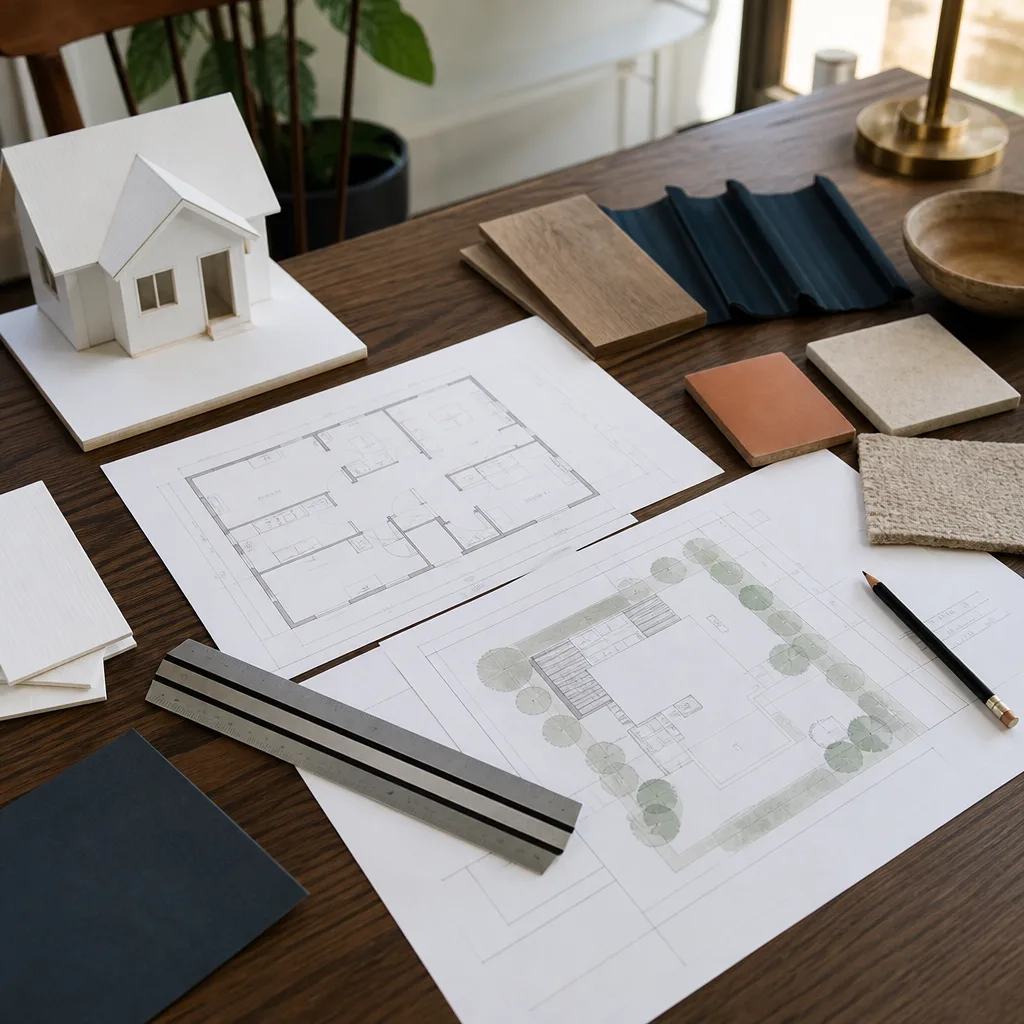
California’s factory-built housing program means Plant Prefab’s modules are inspected at the factory under a state-approved quality-control program, not at your Los Angeles job site. The state’s Department of Housing and Community Development (HCD) certifies the factory, and the modules arrive with a state insignia that tells LADBS the structural, electrical, and mechanical work inside the module has already passed inspection.
But LADBS does not hand you a free pass on the rest. Your local contractor still pulls a site permit for the foundation, the utility connections, the site drainage, and the connection details where the module meets the foundation. LADBS plan check reviews those drawings, inspects the foundation before the crane arrives, and signs off on the completed connection after the module is set. The modular certification shortens the path, but it does not eliminate it.
We’ve seen Los Angeles homeowners assume the state insignia means the permit process is a formality. It is not. A contractor who has never filed a factory-built housing permit with LADBS will submit the module drawings as if they were conventional plans, trigger unnecessary plan-check cycles, and burn weeks of schedule. The contractor you hire in Los Angeles should know the difference before the first form is filed, not learn it on your project.
Site-Readiness Milestones Before Plant Prefab Locks Your Production Date
The most costly mistake we see in Los Angeles is a homeowner who signs with Plant Prefab, locks a production slot, and then discovers their site contractor hasn’t finished the foundation, run the conduit, or cleared the crane path. The factory builds on schedule. The module ships on schedule. The foundation is the variable.
Before you lock Plant Prefab’s production date, confirm these milestones with your local contractor:
- Survey and setback verification complete: A licensed surveyor has marked the property lines, and you have written confirmation that the addition meets Los Angeles zoning setback requirements, including any setback variance (the city’s written permission to build closer to the property line than the standard rule allows) you may need.
- Foundation poured and cured: Concrete has been placed, anchor bolts set to the module’s exact dimensions, and the foundation has passed LADBS inspection.
- Utility stubs in place: Electrical conduit, water supply, sewer or septic connection, and gas line (if applicable) are run to the point where the module will connect.
- Crane path confirmed: You have written confirmation from your contractor that the crane can access the set location, including any street-use permits for Los Angeles streets that require them.
- Site permit approved and posted: The LADBS permit for site work is issued and visible, not just filed.
If any of these five items is not done when the factory says the module is ready, you face a choice: pay to store the module, or pay rush charges to finish site work. Neither is cheap. We tell every Los Angeles homeowner we work with: the production date is a promise you make to the factory. The site readiness is a promise your contractor makes to you. Get both promises in writing.
Where Fielding ADU Builders Fits In
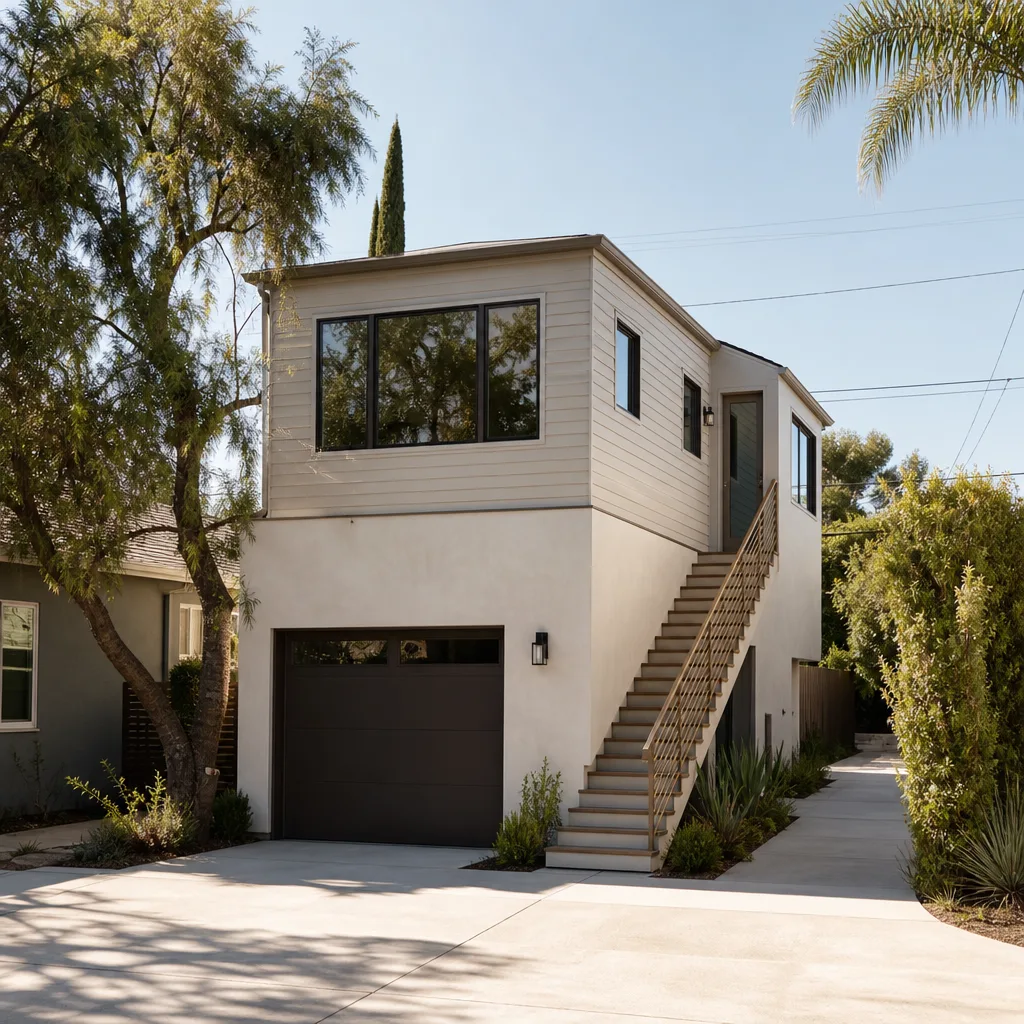
We coordinate Plant Prefab room additions in Los Angeles as the local site contractor. That means we own the foundation, the utilities, the LADBS permit file, the crane day, and the final connection. Plant Prefab owns the module. The Garrison Code is how we run our side of that relationship: show up in the window we promise, put the price in writing before any work starts, build by the book, leave the site clean, and stand behind the work for a year.
We pulled a module out of a yard over in Eagle Rock last spring where the original contractor had poured the foundation 14 inches out of square. The crane was scheduled for Tuesday. The module didn’t fit. The homeowner paid for a second crane day, a foundation correction, and three extra weeks of schedule. That is what happens when site work is treated as an afterthought. It is also why The Garrison Standard exists: a written one-year guarantee that says if the work fails, we come back and make it right at no charge.
Plant Prefab builds a genuinely good product. We have worked with their modules and we’ll say so. But the best module in the world can’t fix a bad foundation or a missed permit deadline. In Los Angeles, where LADBS plan check, hillside grading, and narrow street access create more friction than homeowners expect, the local contractor is the difference between a smooth set day and a storage bill. If you want help, give us a call. The estimate is free and the price goes in writing before we touch your property.
When to Call a Pro
Crane work, foundation layout, and utility connections on a room addition are not weekend projects. If your Los Angeles lot has any grading, retaining walls, or overhead power lines, the set day becomes a coordinated event, not a drop-off. The same goes for any project involving gas line work, electrical panel upgrades, or structural connections between the module and an existing house. Those are the moments where a trained, licensed contractor earns the fee.
If you’re in Los Angeles and want a second set of eyes before you sign a Plant Prefab contract, we’re glad to walk the lot with you. For more on how we handle conventional builds, see our Room Addition Contractor in Los Angeles page. If a factory-built module ends up not being the right fit for your budget, our ADU Builders in Los Angeles page covers the full range of options, including conventional construction.
The Bottom Line
Plant Prefab builds an architecturally serious, energy-efficient module that works well in Los Angeles, especially for homeowners who want factory precision and are willing to pay for it. But the product does not install itself. The site work, foundation, utility connections, permit coordination, and crane logistics all sit with a local contractor, and that contractor’s competence determines whether you move in on schedule or bleed money in delays. Before you lock any factory production date, confirm your site is ready, your permit is issued, and your crane path is clear.
If you’re in Los Angeles and need help with a Plant Prefab room addition, Fielding ADU Builders offers free estimates. We’ll put the price in writing before any work starts, and we’ll stand behind the finished job for a full year. Call (361) 315-4177 to schedule yours. For more on how we approach the full range of addition work in LA, visit the Fielding ADU Builders home page or our Garage Conversion Contractor in Los Angeles guide.
Frequently Asked Questions
A Plant Prefab room addition in Los Angeles typically lands between $425 and $675 per square foot all-in, including the factory-built module at $350 to $550 per square foot plus site work, foundation, utility connections, crane logistics, and permits. The final number depends on your lot conditions, finish level, and whether your existing utilities need upgrades. Call (361) 315-4177 for a written estimate specific to your property.
Yes. Plant Prefab’s modules are inspected at the factory under California’s state-approved factory-built housing program and arrive with a state insignia. LADBS still requires a site permit for the foundation, utility connections, and the module-to-foundation connection. The state insignia shortens some plan-check steps but does not eliminate local inspection requirements.
You can, but you’d be taking on the coordination risk that most homeowners regret. The foundation layout, utility stubs, crane day, and LADBS inspections have to line up with the factory’s production schedule. If anything slips, you pay for storage or rush site work. Most Los Angeles homeowners we talk to are better served by hiring a contractor who has coordinated modular set days before.
Not the way we run it. Our written price goes to you before any work starts, and if a change is truly necessary, it goes in writing as a change order for your approval before we proceed. No change orders without your signature, no surprises at the final invoice. Call (361) 315-4177 to get your number in writing.
Written by the team at Fielding ADU Builders.
Need ADU Help?
Call Fielding ADU Builders - licensed & insured, here with fast after-hours help in Los Angeles.
(361) 315-4177