Boxabl Site Prep & Utilities: The Los Angeles Owner’s Guide
Site prep and utilities for a Boxabl installation in Los Angeles typically run $18,000 to $45,000 depending on what your lot already has and what the City asks for. That covers excavation, grading, a compacted gravel or concrete pad, trenching, and getting water, sewer, and electrical from the street or main house to your unit, all permitted and inspected. Most owners discover they need serious prep work when they get the first bid back from a Boxabl-certified installer and see the foundation line item is more than the unit itself, or when their existing utilities are too old to tap without a full service upgrade.
We see this often: someone buys a Boxabl for the promised speed, then the site prep becomes the real project. The good news is that Los Angeles has clear rules for what a prefab unit needs underground and behind the walls, and we handle all of it under one written price. Reed Calloway has been working ADU sites in the Valley and across LA for eleven years, and he will tell you plainly: the Boxabl arrives on a truck, but the part that fails first is almost always what was buried under it.
Which Boxabl Models This Applies To
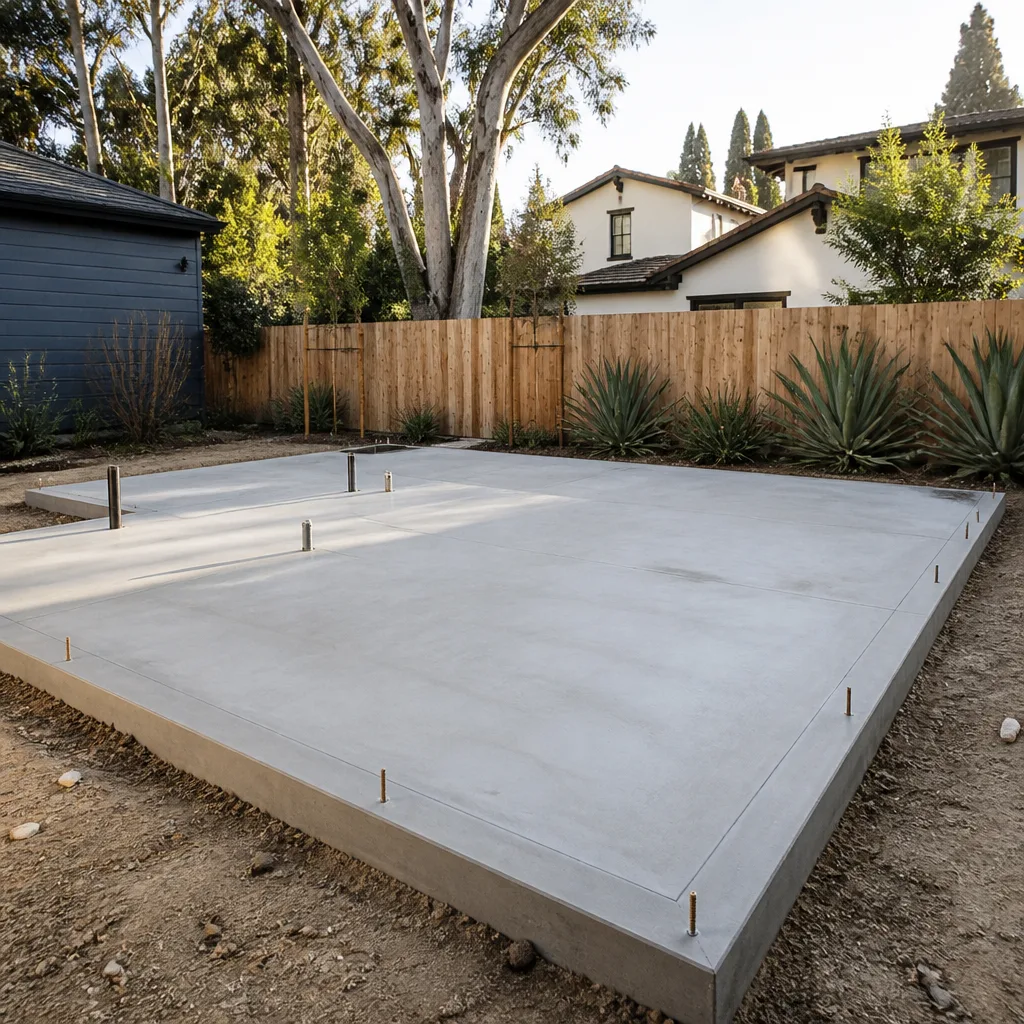
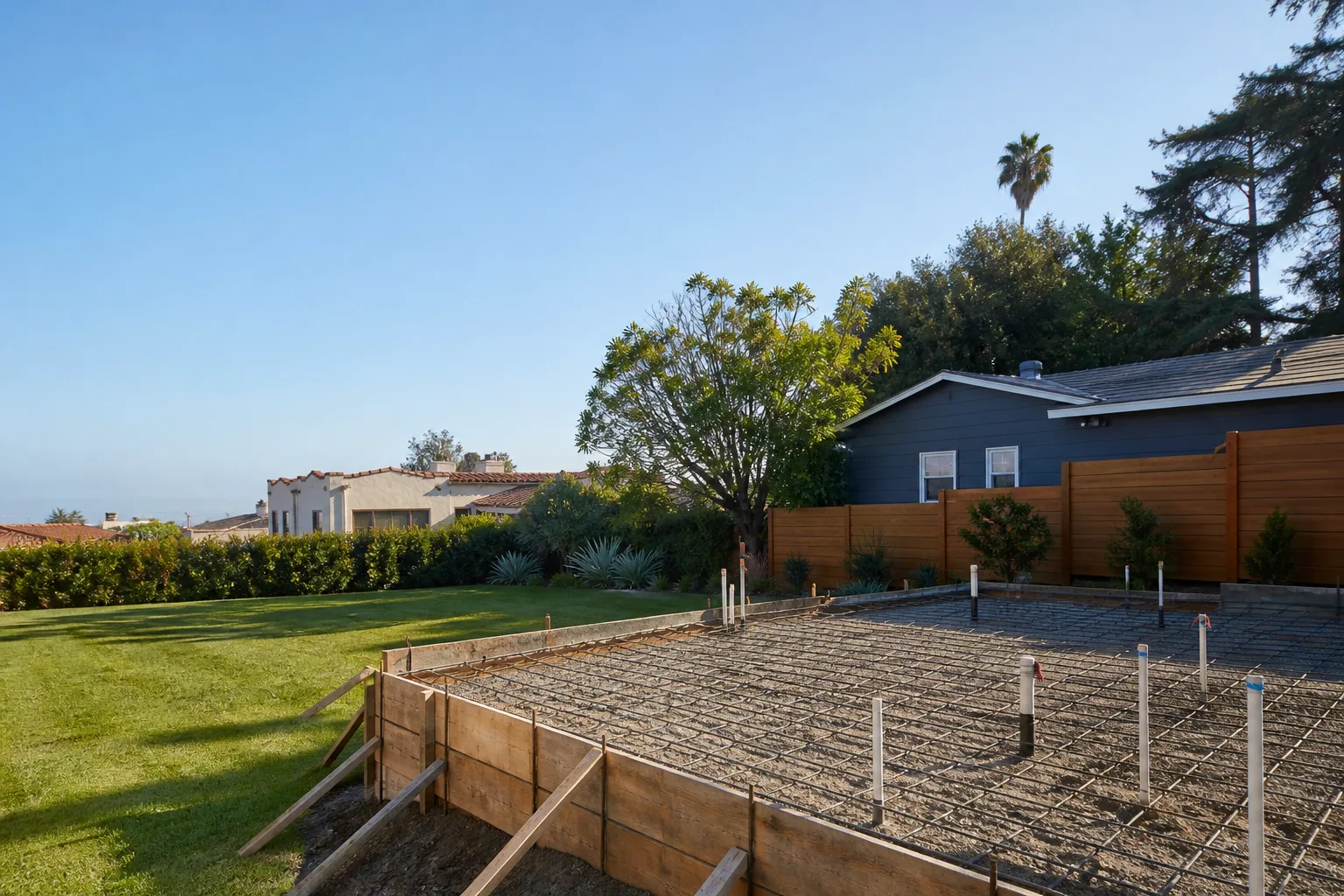
The Casita is Boxabl’s primary product, a 20×20-foot single-unit module that ships on a standard flatbed and unfolds on site. What matters for site prep is not the model year but two things: the unit’s weight when folded (roughly 12,000 to 13,000 pounds depending on options) and its foundation requirement. Boxabl specifies a minimum 4-inch-thick concrete pad or an engineered gravel foundation system that can hold the unit’s full weight without settling. If your lot has expansive soil, which much of Los Angeles does, the City will require soil testing and possibly a deeper or reinforced pad.
For OEM versus aftermarket on the utility side: Boxabl does not sell its own electrical panels, water heaters, or plumbing fittings as replacement parts. The Casita ships with standard residential components – a 100-amp subpanel, PEX water lines, a mini-split HVAC unit, and standard 2-inch waste connections. That means we can source direct from the same manufacturers Boxabl uses, rather than waiting on a Boxabl-specific part number. The compatibility gotcha is the electrical connection: the Casita’s panel is set up for a 240-volt feed, and older Los Angeles homes with 100-amp main panels will often need a service upgrade to 200 amps before the city will sign off. That is a real cost driver we flag in the estimate before any work starts.
Signs Your Boxabl Site Prep & Utilities Is Failing
- Cracking or settling at the pad corners. If the concrete pad was poured too thin or the subgrade was not compacted properly, you will see hairline cracks within the first year. Small cracks are cosmetic. Cracks wider than a quarter inch mean the pad is moving, and the Boxabl is moving with it.
- Water pooling under or around the unit after rain. Los Angeles gets short, intense storms, and a pad without proper drainage will let water sit against the bottom plate. This rots the sill, invites termites, and will fail an inspection if you ever sell.
- Breakers tripping when the AC and range run together. The Casita’s 100-amp subpanel is fine when fed properly, but if the main panel is undersized or the feeder wires were undersized to save money, you will trip the main breaker. This is the single most common electrical fault we fix on prefab ADUs.
- Sewer smells or slow drains. The waste line from a Boxabl runs at a shallow depth, and if the trench was not graded correctly, solids settle and block the line. In LA, tree roots from mature ficus and magnolia trees will find a shallow sewer line within a year or two.
- Water pressure dropping when the washing machine runs. The Casita uses standard 3/4-inch supply lines, but if the site tap was made from an existing garden hose line instead of a dedicated main, pressure drops fast. The fix is a new dedicated line from the meter or main supply.
Replacement Cost & What’s Included
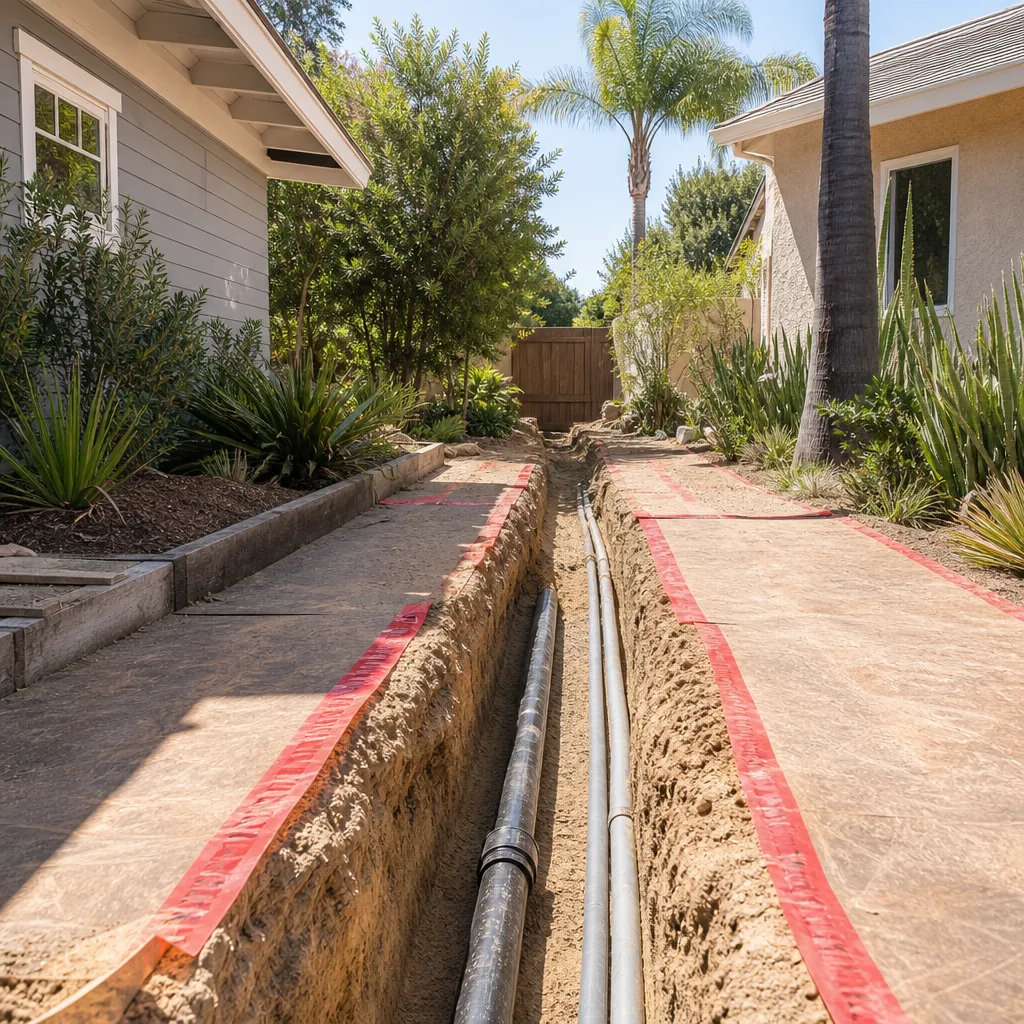
In Los Angeles, a full site prep and utility package for a Boxabl Casita runs $28,000 to $45,000 when the lot has no existing utility stubs. If you already have a concrete pad and simply need trenching and connections, the range drops to $12,000 to $18,000. The spread comes from three variables: whether your main electrical panel needs a service upgrade ($4,000 to $7,000), how far the utilities must be trenched from the street or house, and whether the City requires soil testing or a retaining wall for grade changes.
| Scope Item | Typical Installed Range (Los Angeles) |
|---|---|
| Excavation, grading, and compaction | $4,000 – $7,500 |
| Concrete pad (4-inch minimum, reinforced) | $5,000 – $8,000 |
| Sewer connection (trench to main or house line) | $3,000 – $6,000 |
| Water line tap and connection | $2,000 – $4,000 |
| Electrical feeder and subpanel tie-in | $3,500 – $6,500 |
| Main service panel upgrade (if needed) | $4,000 – $7,000 |
| Permit fees and City inspections | $2,500 – $5,000 |
Every Fielding ADU Builders quote includes the parts, labor, permit pulls, inspections, and cleanup in one written number. Nothing moves off that number unless the City requires something not visible at bid time, and if that happens we tell you before any change order is cut. The work is covered by the Garrison Standard: a full 365-day guarantee on workmanship in writing, on every project.
DIY or Call Us?
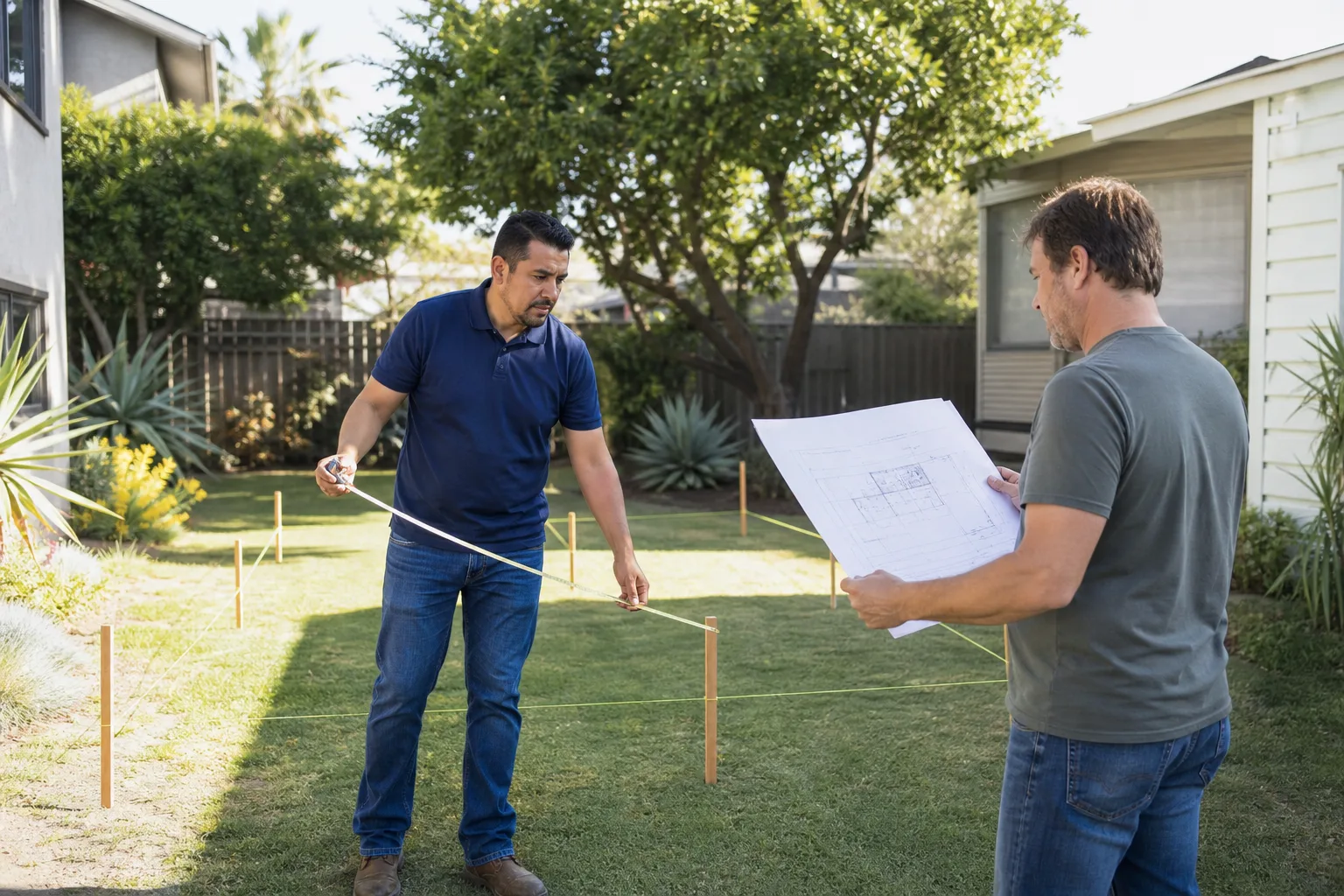
There are things you can safely do before we arrive: mark where you think the Boxabl will sit, locate your main sewer cleanout and water shutoff, and pull a property survey if you have one. What you should not do is trench, pour concrete, or run electrical yourself. A Boxabl sits on a 12,000-plus-pound load. An undersized pad will crack, the unit will shift, and you will pay double to demo and re-pour. Electrical work without a permit is a fire risk and an automatic red flag when the City does the final inspection, which they will.
If the pad has already failed or the utilities were roughed in wrong the first time, call us. We dig it out, fix it right, and put the permit final in your hand. Call (361) 315-4177 and ask for a site evaluation. Reed will walk the lot with you, mark what has to move, and put the price in writing before anything gets scheduled.
FAQs
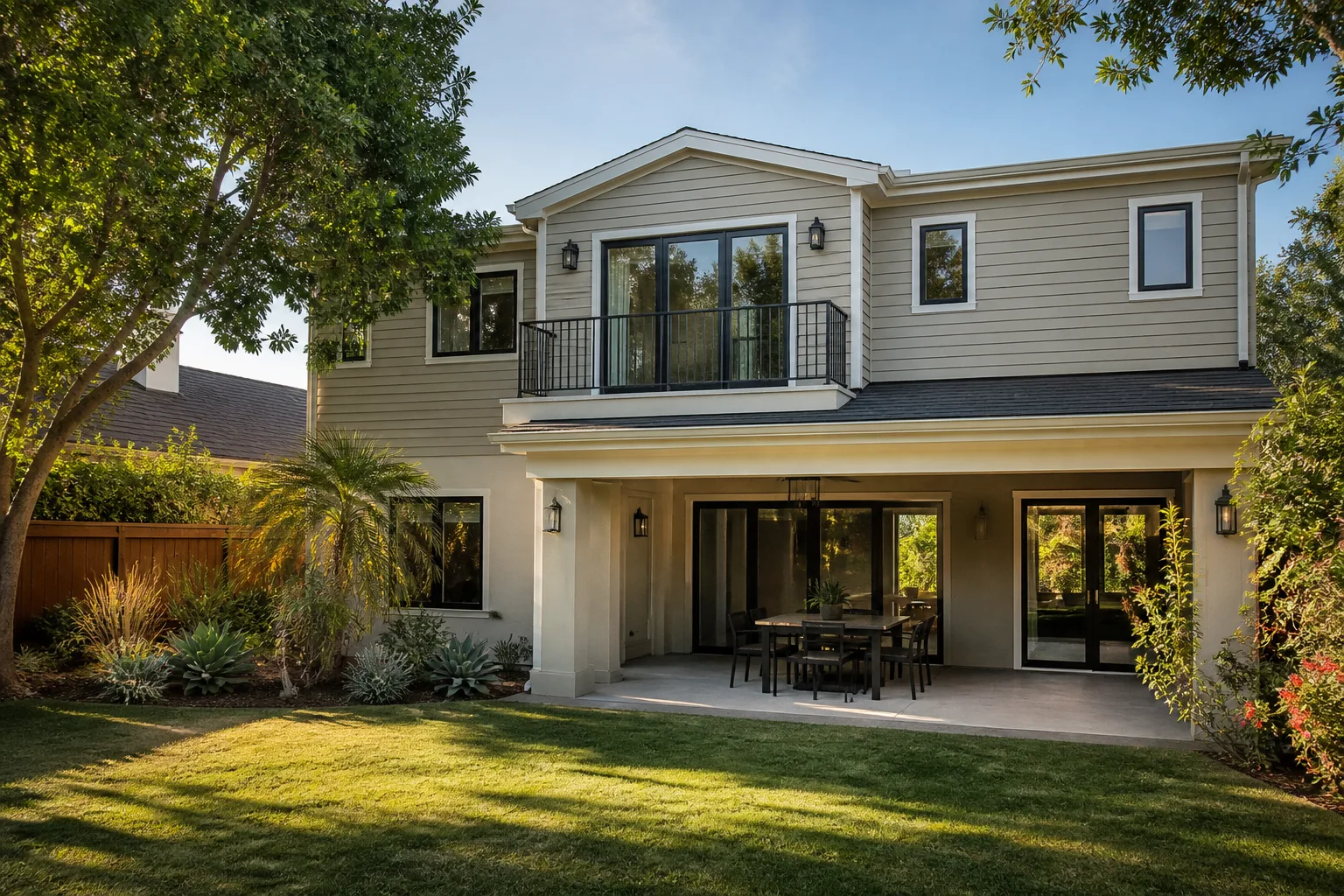
Plan on 3 to 6 weeks from permit submittal to final inspection in Los Angeles, depending on whether soil testing is required and how fast the City reviews your file. The physical work on site is usually 5 to 8 working days.
Sometimes, but only if the pad has settled without cracking through the slab. If the concrete is cracked, the right fix is demo and re-pour, not a patch. We will not quote a repair we would not accept on our own property.
We stock the electrical feeders, PEX fittings, water heater connections, and sewer line components the Casita uses, sourced from the same manufacturers Boxabl specifies. That means we are rarely waiting on a part when your project starts.
No. The price goes in writing before we break ground, and the number you approve is the number on the final invoice. The only exception is a City-mandated change that did not exist at bid time, and we show you the written correction before proceeding.
Written by Reed Calloway, Owner, Fielding ADU Builders at Fielding ADU Builders, serving Los Angeles and nearby areas.