Cover New Detached ADU: The Los Angeles Owner’s Guide
We stock and install Cover-compatible new detached ADU components across Los Angeles, with most panel and connection replacements running between $900 and $3,400 installed, depending on the specific part and whether it’s a single-module swap or a structural tie-in repair. Typical turnaround for a new detached ADU component replacement is 5 to 10 business days from diagnosis to completion, not counting the time it takes Cover’s factory team to ship a proprietary panel if one is needed. Most Los Angeles owners discover a problem the same way: a visible seam opening at the module joint, a door that stops latching clean, or a roof membrane that shows cracking after two or three full summers of San Fernando Valley heat.
Which Cover Models This Applies To
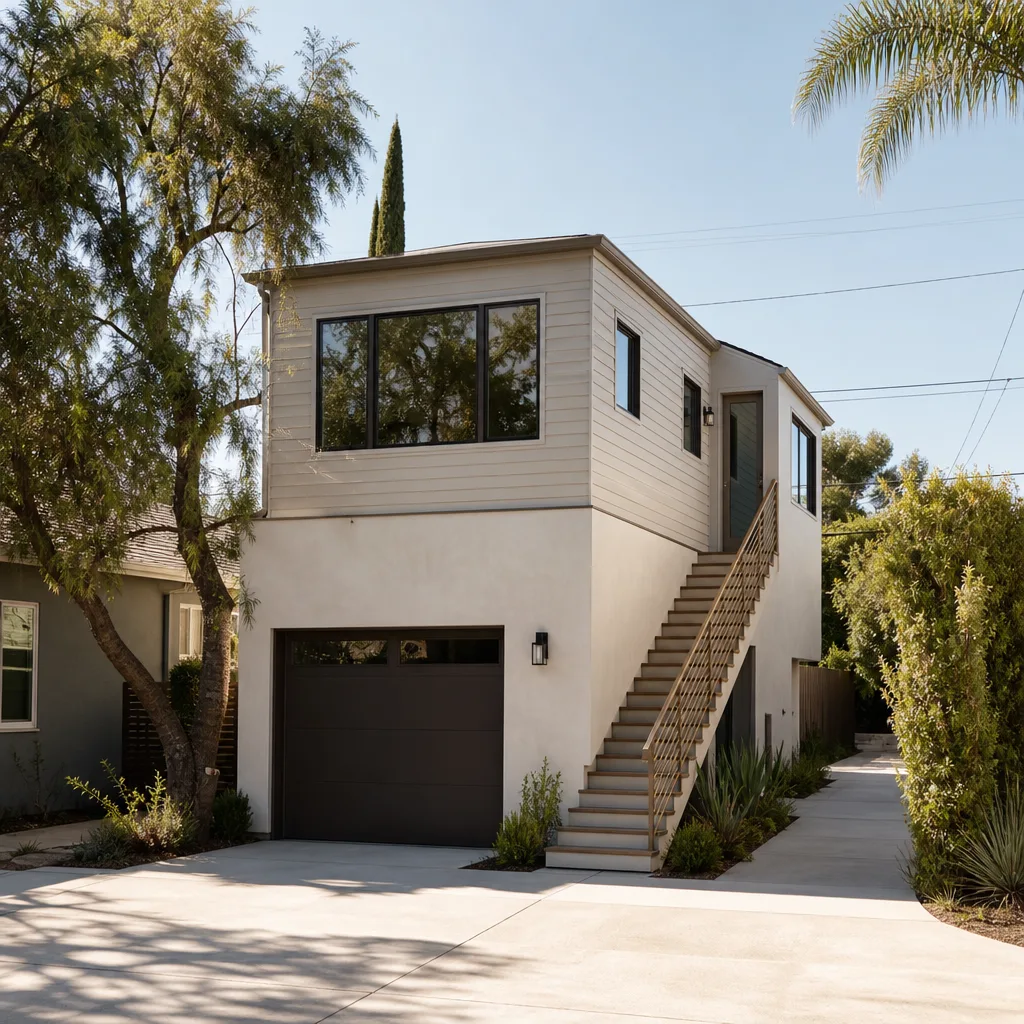
Cover builds its detached units as panelized modules, so the new detached ADU components we handle are specific to the Cover S and Cover XL series, the two product lines most common in Los Angeles backyards. The S series uses a lighter-gauge steel frame with standard 4-by-8 and 4-by-10 wall panels, while the XL series runs a heavier frame and larger 8-by-10 panels, which means a panel from one series will not mate cleanly with the other. The fastest way to identify what you have is to check the metal tag inside the unit’s electrical closet, where Cover stamps the serial number and build date; the serial prefix “COV-S” or “COV-XL” tells us which parts bin to reach into before we even schedule the visit.
On the OEM-versus-aftermarket decision: Cover’s steel framing and panel connections are precision-machined, so we use OEM panels and connector plates whenever the part is structural. For non-structural pieces like threshold seals, weatherstripping, and interior trim, quality aftermarket equivalents often match or beat the original at a lower price, and we will tell you which is which before you spend a dollar. Fielding ADU Builders is an independent service provider, not affiliated with Cover, and we have worked on enough of these units in Los Angeles to know which aftermarket parts hold up in this climate and which ones are a waste of your money. We also service Abodu and Dvele units, so if your property has multiple prefab structures, one call covers the lot.
Signs Your Cover New Detached ADU Is Failing
- Visible seam separation at the module joint. This is the most common failure we see in Los Angeles, and it almost always traces back to soil settlement or expansion. The two modules shift at different rates, and the seam gap widens over time. You’ll notice a crack in the interior drywall or a sliver of daylight at the joint on the exterior.
- Door or window alignment drift. When the frame moves even an eighth of an inch, doors stop latching and windows bind in their tracks. In a new detached ADU, this is rarely a hinge problem; it’s the structure telling you something underneath has shifted.
- Roof membrane cracking or lifting at the edges. Los Angeles UV exposure is relentless, and the roof membrane on a Cover unit takes the worst of it. Cracking typically appears first on the south-facing edge, where the sun beats down all afternoon. Once water finds a crack, the damage accelerates fast.
- Condensation or water staining at the wall-to-floor junction. This usually means the sill gasket or the perimeter seal has failed, often because the unit was set directly on a slab without enough clearance for drainage. In Los Angeles, winter rains find these gaps quickly.
- Electrical flicker or dead outlets in one module only. When lights flicker in the bedroom module but not the living module, the inter-module electrical connector is the likely culprit. These connectors sit exposed at the joint and take vibration stress every time someone walks across the floor.
Replacement Cost & What’s Included
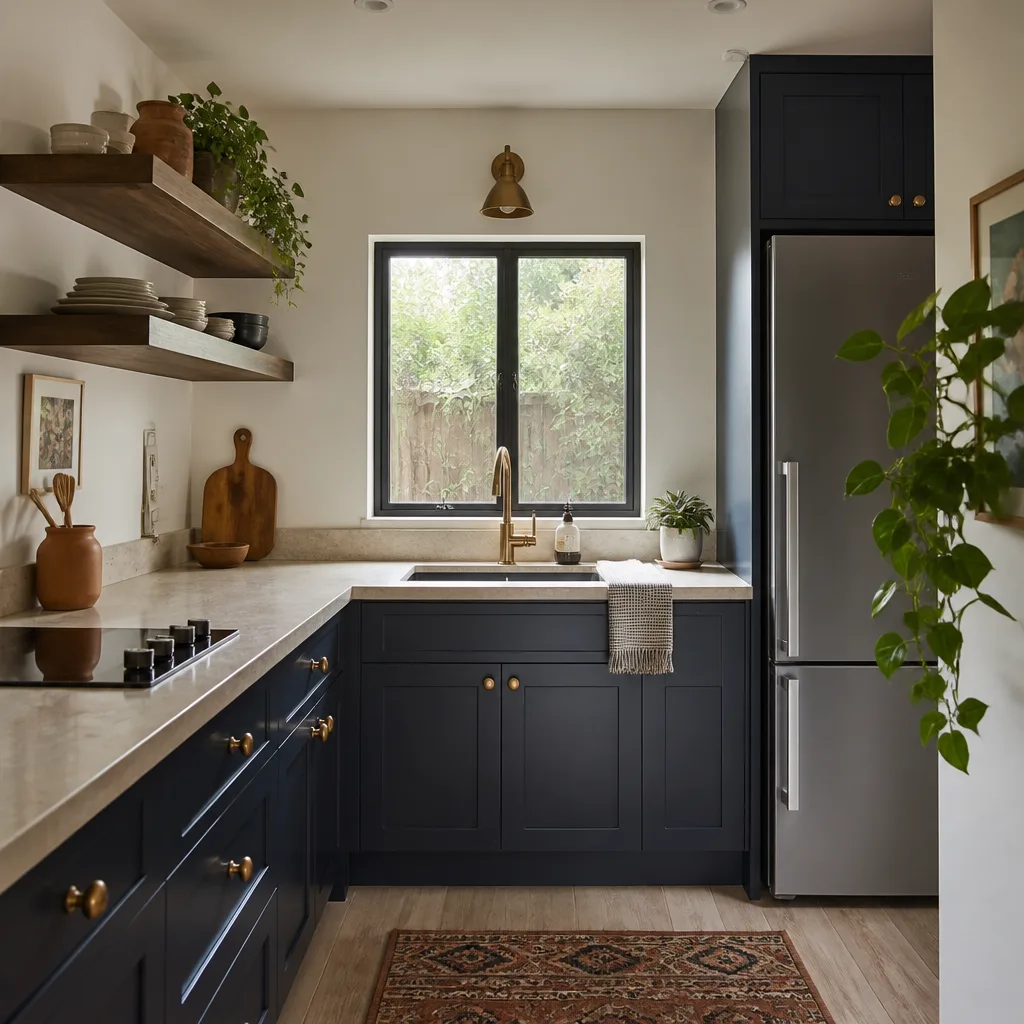
In Los Angeles, expect to pay $900 to $1,800 for a single non-structural component replacement (threshold seal, weatherstripping, interior trim panel), $1,500 to $2,800 for an inter-module connector or roof membrane patch, and $2,200 to $3,400 for a full wall panel swap that requires structural work. The spread comes down to three things: whether the part is OEM or aftermarket, whether we have to shim or re-level the unit, and whether a structural engineer’s sign-off is required for the specific repair.
Every quote follows the same rule at Fielding ADU Builders: the price goes in writing before any work starts, and that number is the number on the final invoice. No change orders, no “we found something once we opened it up” surprises. If we find a problem we did not anticipate, we stop, tell you what it is, and put the new number in writing before we touch it. Every new detached ADU repair we complete is covered by The Garrison Standard: a written one-year guarantee on workmanship and installed parts. If something fails inside that year, we come back at no charge and make it right.
DIY or Call Us?
You can safely inspect your Cover unit yourself: check the seam gaps with a level, look for daylight at the module joint, and note any door drift. What you should not do is attempt a structural panel swap or inter-module connector replacement. The steel framing in a Cover unit is under load, and releasing the wrong connector plate can cause the adjacent panel to shift suddenly. The roof membrane work also involves height and hot-work adhesives that are genuinely dangerous without the right training and equipment.
Reed Calloway grew up in Reseda and has been doing this work in Los Angeles for eleven years, and he will tell you the same thing he tells everyone: a prefab unit looks simple from the outside, but the tolerances are tighter than stick-built, and close-enough is how you end up with a seam that leaks on the first rain. If you are unsure whether it is safe to inspect or a job for a crew, call (361) 315-4177 and describe what you are seeing. We’ll tell you honestly whether it needs a technician or just a flashlight and patience.
FAQs
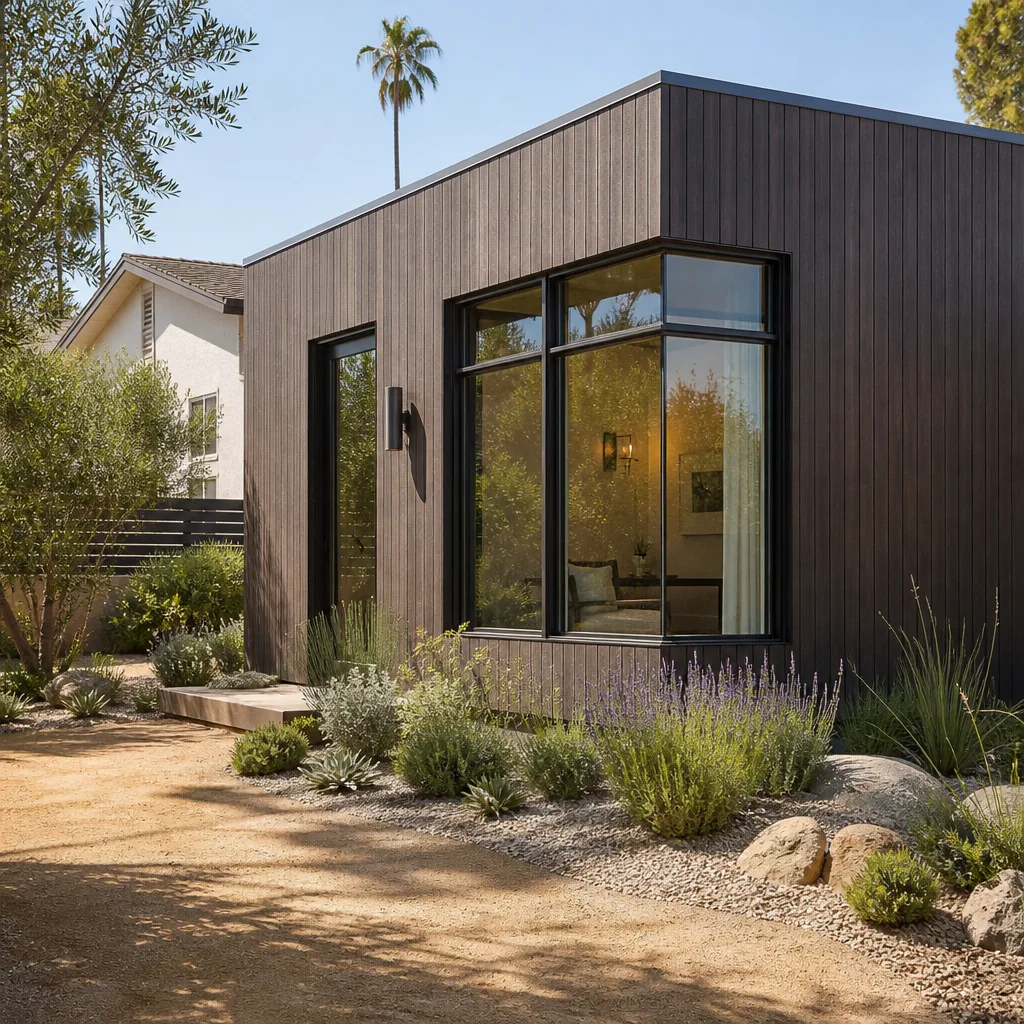
A properly set Cover unit should last 30 years or more on the structural frame, but the weather-exposed components like the roof membrane and exterior seals typically need replacement every 10 to 15 years in Los Angeles due to UV exposure and seasonal temperature swings. The module-to-module connectors tend to fail first in areas with expansive clay soil, which is common in the San Fernando Valley. Call (361) 315-4177 and we’ll assess what your specific unit needs.
A failed inter-module connector on a Cover unit almost always needs full replacement, not repair, because the connector plates are precision-stamped and cannot be re-tensioned once they have yielded. Patching or shimming a failed connector is the fastest way to see the same failure again within a year, which is why we replace them outright and cover the work in writing. Call (361) 315-4177 for an exact diagnosis and quote.
Most non-structural component replacements take one day on site, while a full panel swap takes two to four days depending on whether re-leveling and structural sign-off are required. OEM panel shipping from Cover’s factory can add one to two weeks. We give you a written timeline before scheduling so you always know exactly what to expect.
We stock the most common Cover-compatible components on our trucks: threshold seals, weatherstripping, interior trim panels, and inter-module electrical connectors. For OEM structural panels, we order directly from Cover’s parts channel and handle the freight and coordination. If it is a part we do not stock, we’ll tell you the lead time before we schedule anything.
Call (361) 315-4177 for a free estimate on any Cover new detached ADU repair in Los Angeles. A live person answers, we’ll put the price in writing before any work starts, and the work is guaranteed in writing for a full year.
Written by Reed Calloway, Owner, Fielding ADU Builders at Fielding ADU Builders, serving Los Angeles and nearby areas.