Cover Site Prep & Utilities: The Los Angeles Owner’s Guide
Cover site prep and utilities work in Los Angeles typically runs $8,000 to $22,000 depending on lot conditions, trenching distance, and whether your panel needs an upgrade. We stock the common Cover-compatible components and can usually start within two to three weeks of your written approval. Most Los Angeles homeowners discover they need this after their Cover project stalls at the permitting desk or when a trench inspection fails because the utility run was not speced to city standards.
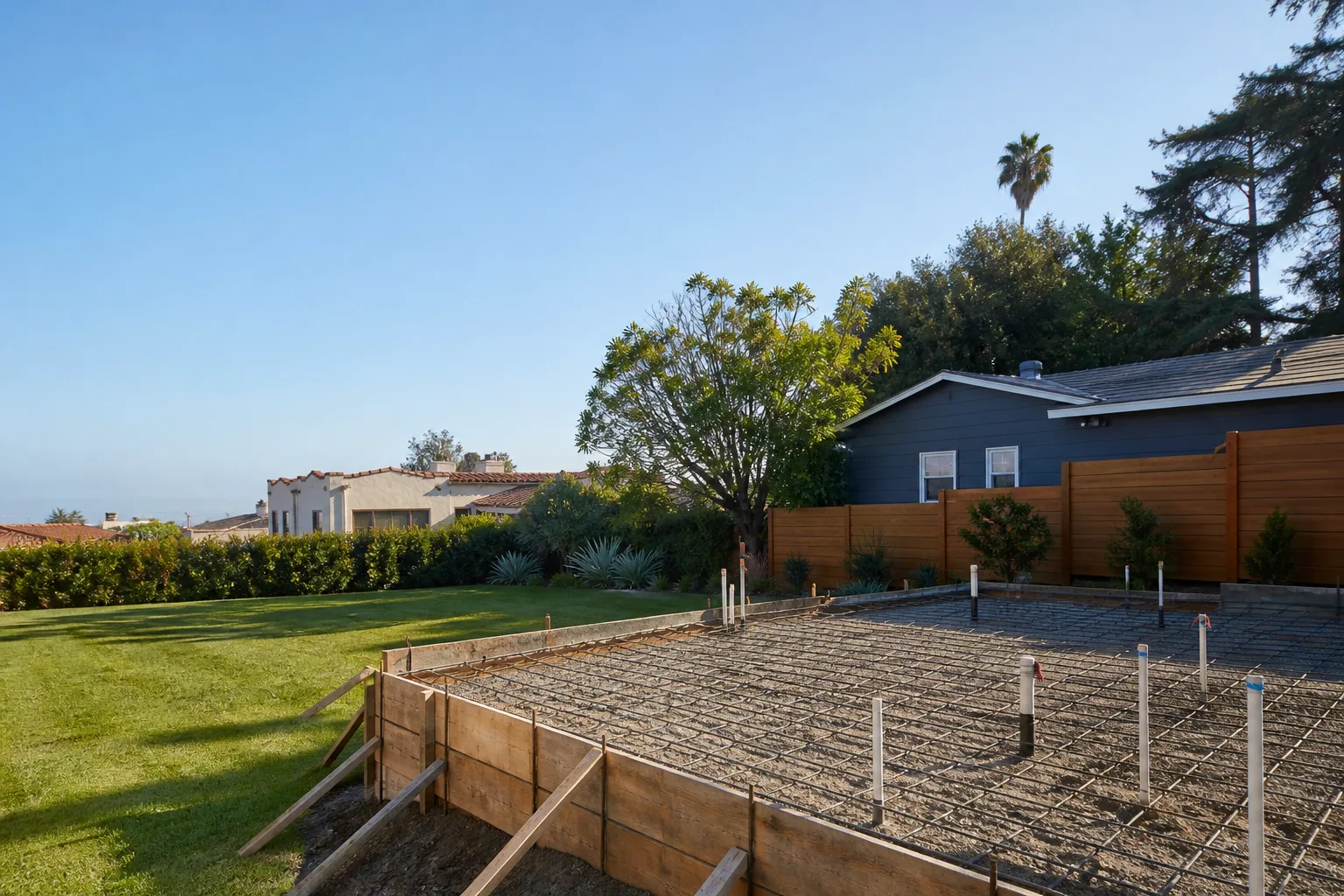
What we see in Los Angeles, from Reseda to Eagle Rock, is that the unit itself is never the problem. The ground under it, the power feeding it, and the water and sewer lines that serve it are where projects go sideways. A Cover unit arrives on a truck built to factory spec. The site it sits on has to be flat, compacted, drained, and wired to Southern California Edison and LADWP standards before that truck ever backs in. That is the work this page covers, and it is the work that determines whether your Cover unit gets its final inspection on the first pass.
Fielding ADU Builders is an independent contractor and is not affiliated with Cover. We work with Cover units because we know the platform’s site requirements cold, and because the homeowners who choose Cover tend to want the same thing we deliver: a written price before work starts and a permit pulled by the book.
Key takeaways:
- Los Angeles site prep for a Cover unit runs $8,000 to $22,000 installed, before permit fees.
- The two biggest cost drivers are trenching distance to the utility tie-ins and whether your electrical panel needs a service upgrade.
- Permit-ready site plans and utility drawings are required before LADBS will clear your grading and trenching inspections.
- Our written price is fixed before any work begins, and the work is covered by the Garrison Standard for 365 days.
Which Cover Models This Applies To
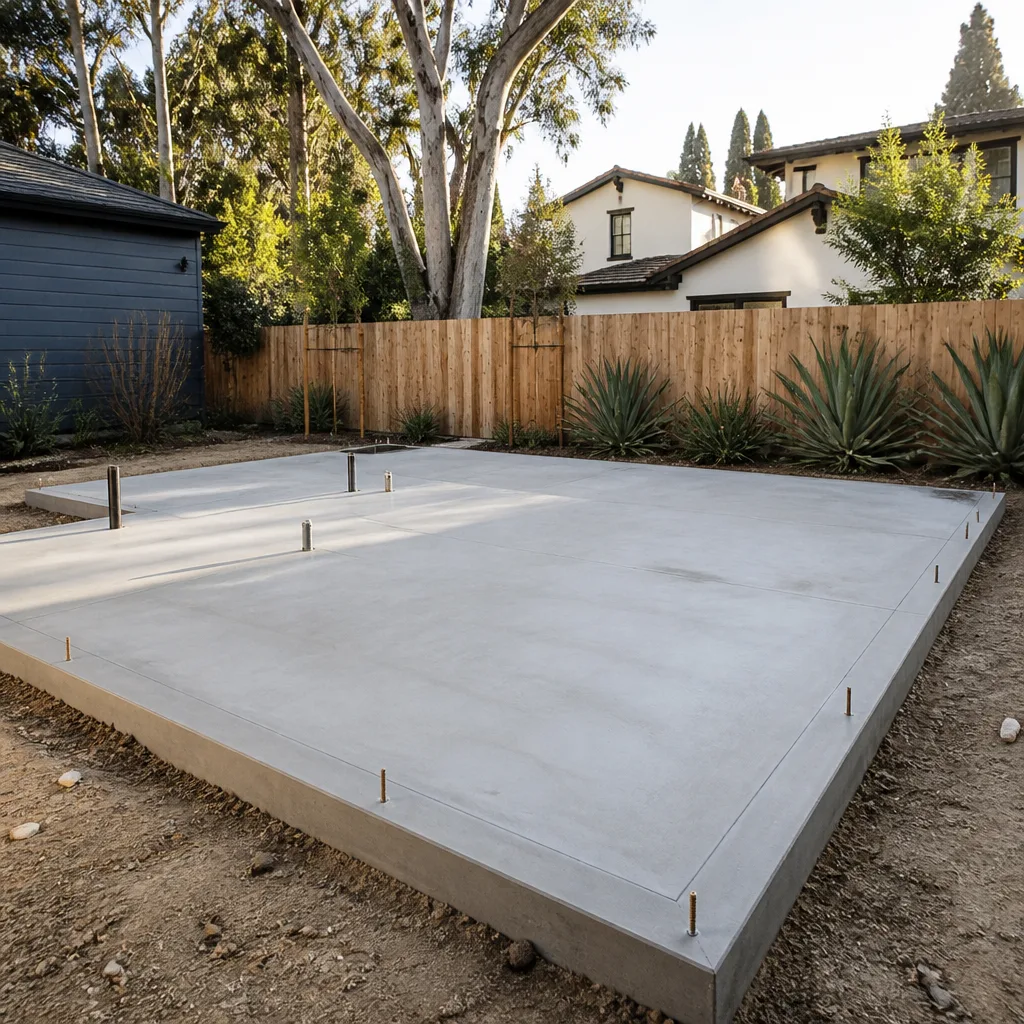
Cover builds panelized units on a steel chassis, and every model they ship – the Cover 1 and Cover 2 series – requires the same site fundamentals: a level, compacted pad or foundation system; utility stubs brought to within a few feet of the unit’s connection points; and a service panel sized for the unit’s electrical load. The site prep and utilities package is not model-specific in the way a plumbing fixture or a window is. The difference comes from the lot.
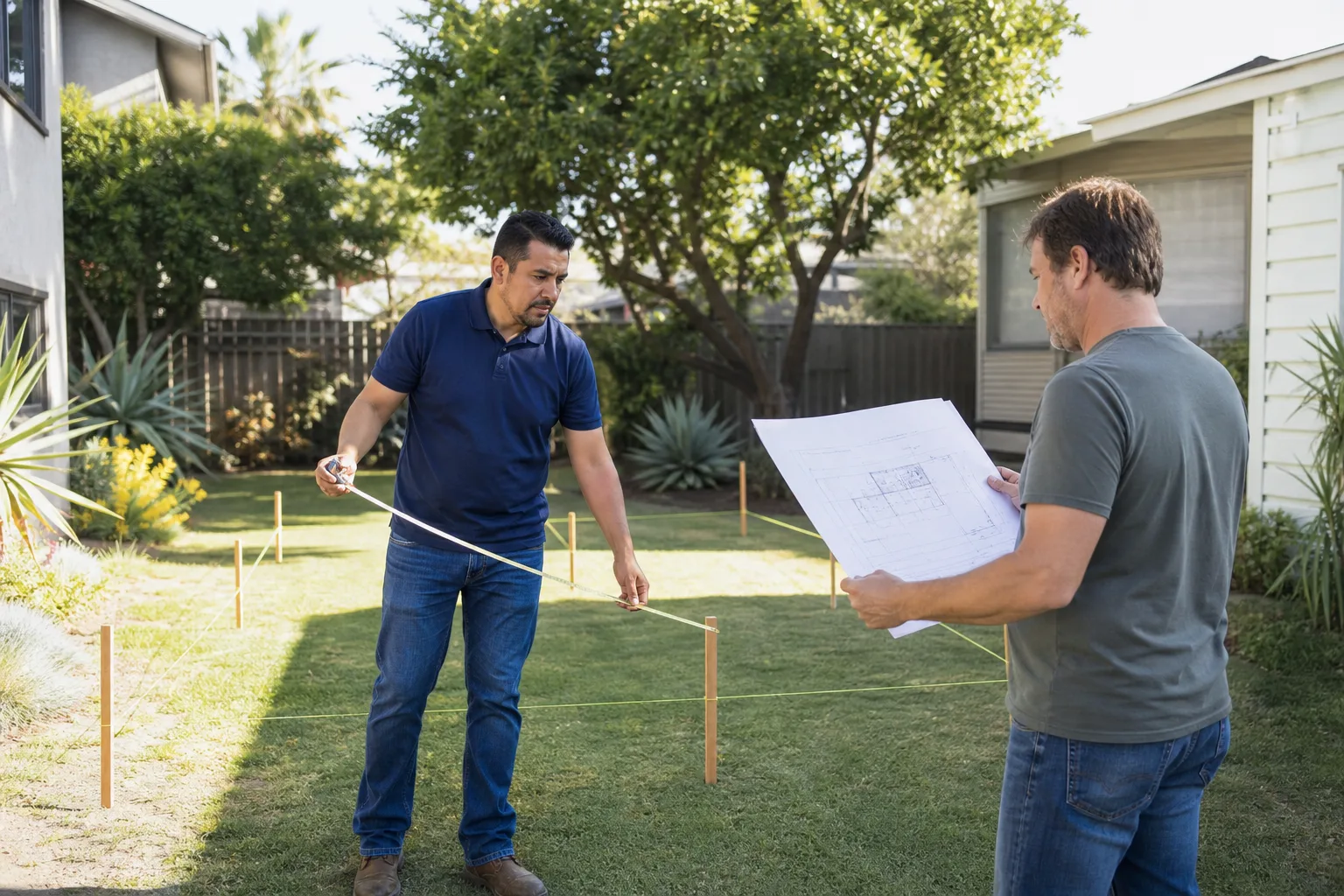
Here is what actually matters for compatibility. Cover’s connection points are factory-located, which means your utility stubs have to land within a defined tolerance, usually six to twelve inches of the marked stub locations on the site plan. A sewer line that is eighteen inches off center will not meet a Cover connection without a rework, and reworks in Los Angeles mean a revised plan check and another inspection cycle. We pull the Cover site requirements sheet before we trench, and we stake the stub locations so the trenches go in once.
On parts, we stock standard Schedule 40 PVC for sewer runs, Type L copper and PEX for water, and the conduit and pull boxes rated for LADWP’s underground service requirements. For the few Cover-specific hardware items – anchor bolts, hold-down brackets, and utility transition fittings – we source through our supplier network and have them staged before the unit arrives. You do not need “Cover-branded” gravel or conduit. You need materials that meet the city’s published standards, and that is what we buy.
Signs Your Cover Site Prep & Utilities Is Failing
- Water pools near the unit after rain. This usually means the pad or foundation area was not graded with enough fall, or the crushed rock base was not compacted in lifts. In Los Angeles, the winter rains expose grading shortcuts within the first season.
- Breakers trip when the unit’s heating or cooling runs. The panel or the feeder line is undersized. A Cover unit’s mini-split plus appliances can pull more than an old 100-amp panel will give, and we see this most often on garage-to-ADU conversions in the Valley.
- Sewer smells or slow drains inside the unit. The waste line was pitched wrong or a joint separated after backfill settled. This is a trenching issue, not a Cover issue, and it requires opening the run to fix it properly.
- The pad or foundation edge is cracking or spalling. Los Angeles has expansive soil in pockets, and a slab poured without proper subgrade preparation will move. Cover units are rigid; the ground under them needs to be stable or the connections get stressed.
- Utility trench has sunk, leaving a visible dip. The backfill was not compacted. This is the most common site prep defect we correct, and it is avoidable with a jumping jack and patience during backfill.
Replacement Cost & What’s Included
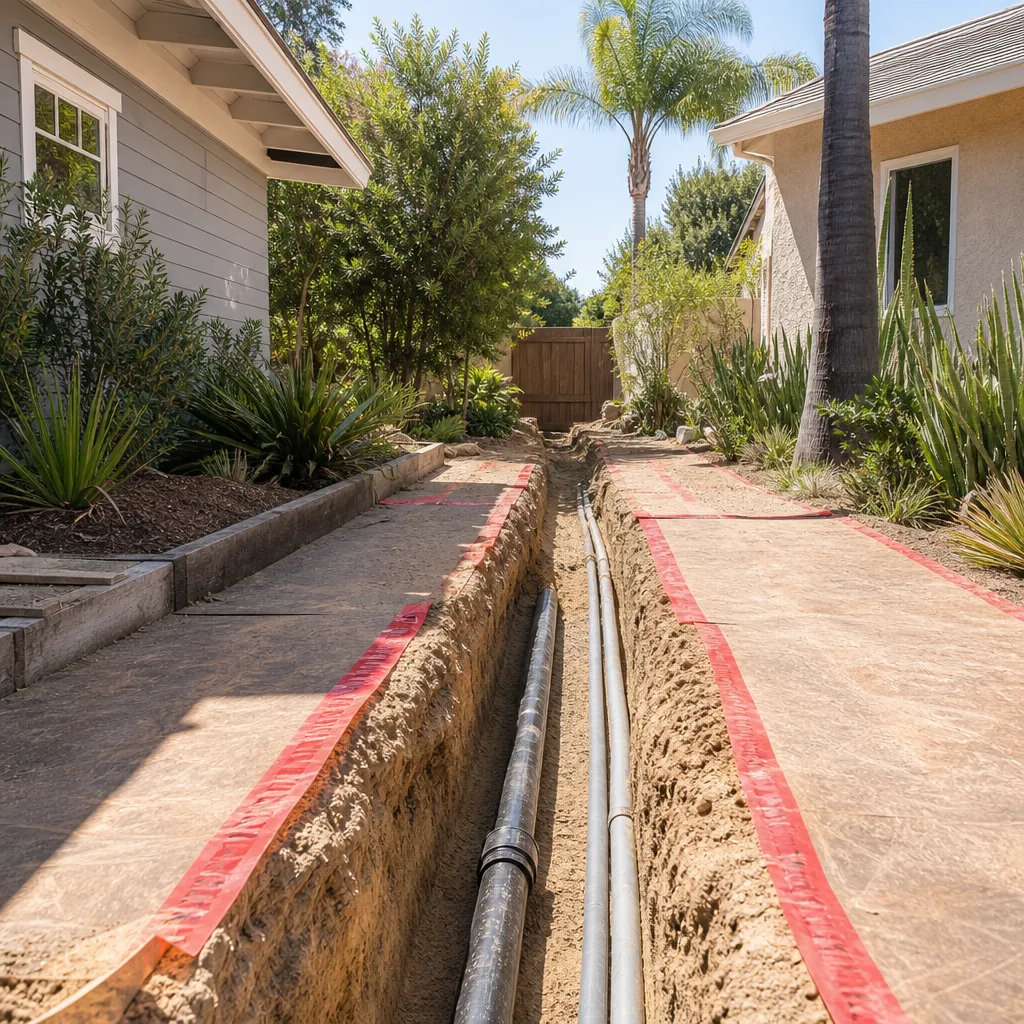
Here is where Los Angeles pricing lands for the typical Cover site prep and utility scope:
| Scope item | Typical Los Angeles range |
|---|---|
| Pad or foundation system prep (grading, base, forms) | $3,500 – $7,000 |
| Electrical trench, conduit, and panel tie-in | $2,500 – $6,000 |
| Water line trench and tie-in | $1,000 – $2,500 |
| Sewer line trench and tie-in | $1,500 – $4,000 |
| Panel service upgrade (if existing panel is undersized) | $3,000 – $6,000 |
The range is driven by trenching distance, soil conditions, and whether the existing electrical service has the capacity for the unit. A flat lot in Woodland Hills with the panel on the same wall as the tie-in will land at the low end. A hillside lot in Mount Washington with a 70-foot trench and a 100-amp panel will not.
Our price is a written line-item quote, not an estimate. You approve the number before we move dirt, and that number does not change unless you change the scope. The work is covered by the Garrison Standard: 365 days, in writing, and if something we built fails inside that year, we come back and make it right at no charge. Reed Calloway has been doing ADU site work across Los Angeles for eleven years, and he learned early that a written scope is the only thing that keeps a utility job honest.
DIY or Call Us?
Site prep and utilities on a Cover unit is not a weekend project. The trenching, the electrical service work, and the sewer tie-in all require permits and inspections from LADBS plus approval from LADWP or SoCal Gas, depending on what you are connecting. Doing this work without a permit in Los Angeles will catch up with you when you apply for the Cover unit’s final, and unpermitted electrical work is a safety issue, not just a code issue. A buried electrical line that was not done to spec can kill someone who digs into it later.
What you can safely do is gather information. Take photos of your panel label, measure the distance from the panel to your planned unit location, and note whether your lot has any obvious grade change. That is five minutes of work that makes our first phone call far more useful.
Then call us at (361) 315-4177. We will walk the site, put the utility plan in writing, and give you a number you can actually budget against. Put it in writing, then go build it.
FAQs
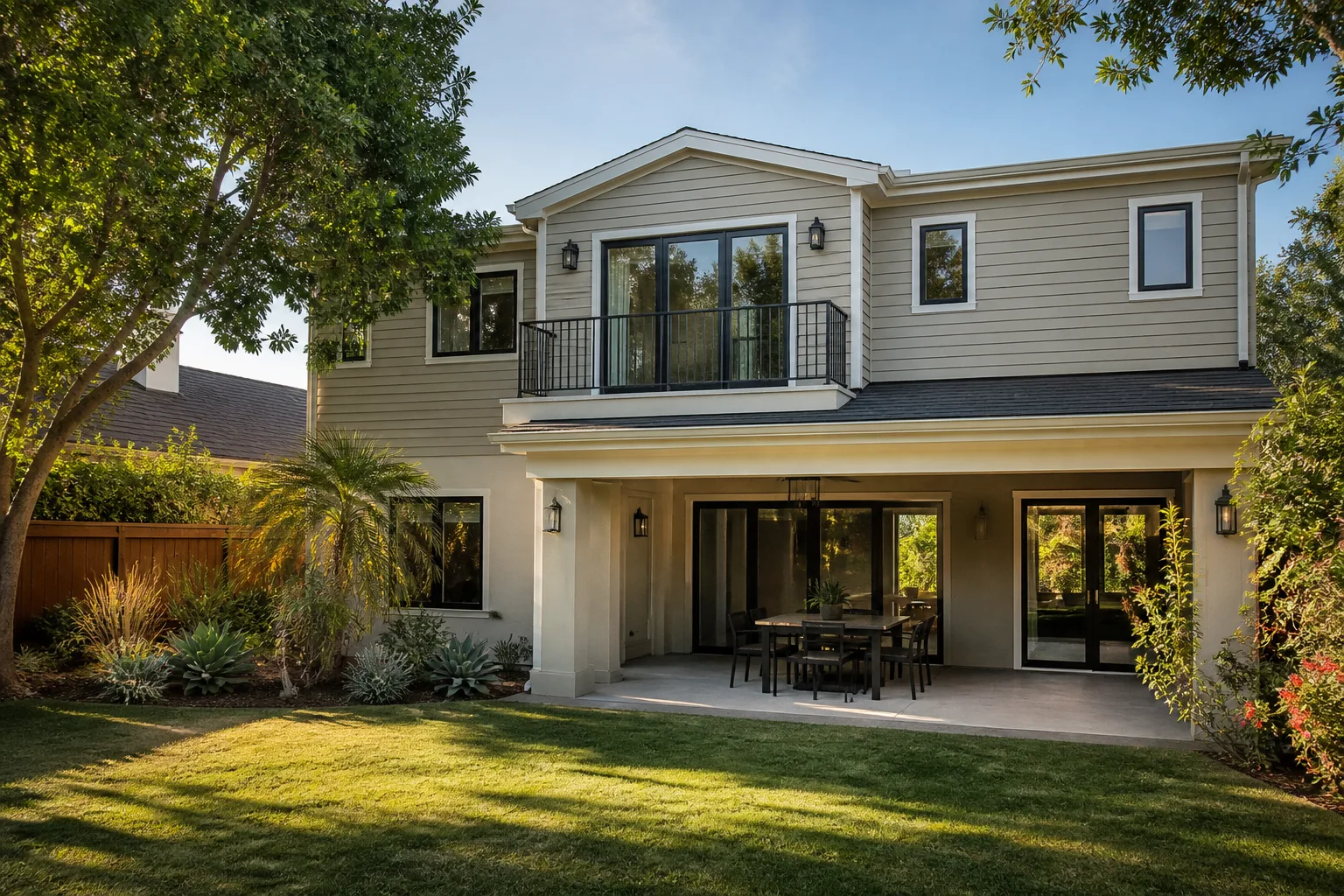
Properly compacted site prep and correctly installed utilities in Los Angeles should last the life of the structure, which is decades. The two failure points we see are backfill that was not compacted and electrical panels that were undersized from the start. Both are construction defects, not normal wear, and both are covered under our one-year written guarantee.
Most of the time it can be spot-repaired, but the fix depends on what failed. A sunken trench gets re-excavated, re-compacted, and re-covered. A sewer line with a separated joint gets that section replaced. What cannot be repaired is a pad that was built on unsuitable soil; that has to be removed and rebuilt on a proper base. Call (361) 315-4177 and we will tell you straight which one you have, without charging for the answer.
Typical Los Angeles timetable is two to four weeks from permit approval to final inspection, depending on trenching length and utility company scheduling. LADWP service connection windows are the variable that moves a schedule, and we build that buffer into our written timeline before we start.
We keep the common materials on hand – Schedule 40 PVC, PEX, conduit, pull boxes, and compaction equipment. Cover-specific transition hardware and any panel components are ordered per job and staged before the Crew arrives. That keeps the job moving without waiting on a supply house run mid-trench.
Written by Reed Calloway, Owner, Fielding ADU Builders at Fielding ADU Builders, serving Los Angeles and nearby areas.