Tuff Shed Junior ADU Conversion: The Los Angeles Owner’s Guide
A Tuff Shed junior ADU conversion in Los Angeles typically runs $85,000 to $145,000 when we handle the full permitted build-out, and most projects take 14 to 22 weeks from permit submittal to final inspection. We stock and install the conversion-specific components that turn a Tuff Shed shell into a legal dwelling unit, and we can usually start the site assessment within five business days. Most owners call us after discovering their shed is not permitted for occupancy, or after another contractor walked away mid-project because the foundation, electrical, or insulation details were more complicated than the original quote assumed.
What you should understand before spending another dollar: a Tuff Shed is a storage structure, not a dwelling. Converting one into a junior ADU in Los Angeles means bringing the entire shell up to California Residential Code for a habitable space, and that is where most of the work lives. Reed Calloway has been doing ADU work across Los Angeles for eleven years, and he will tell you the same thing on the phone that he would tell you standing in your backyard: put it in writing, then go build it.
Which Tuff Shed Models This Applies To
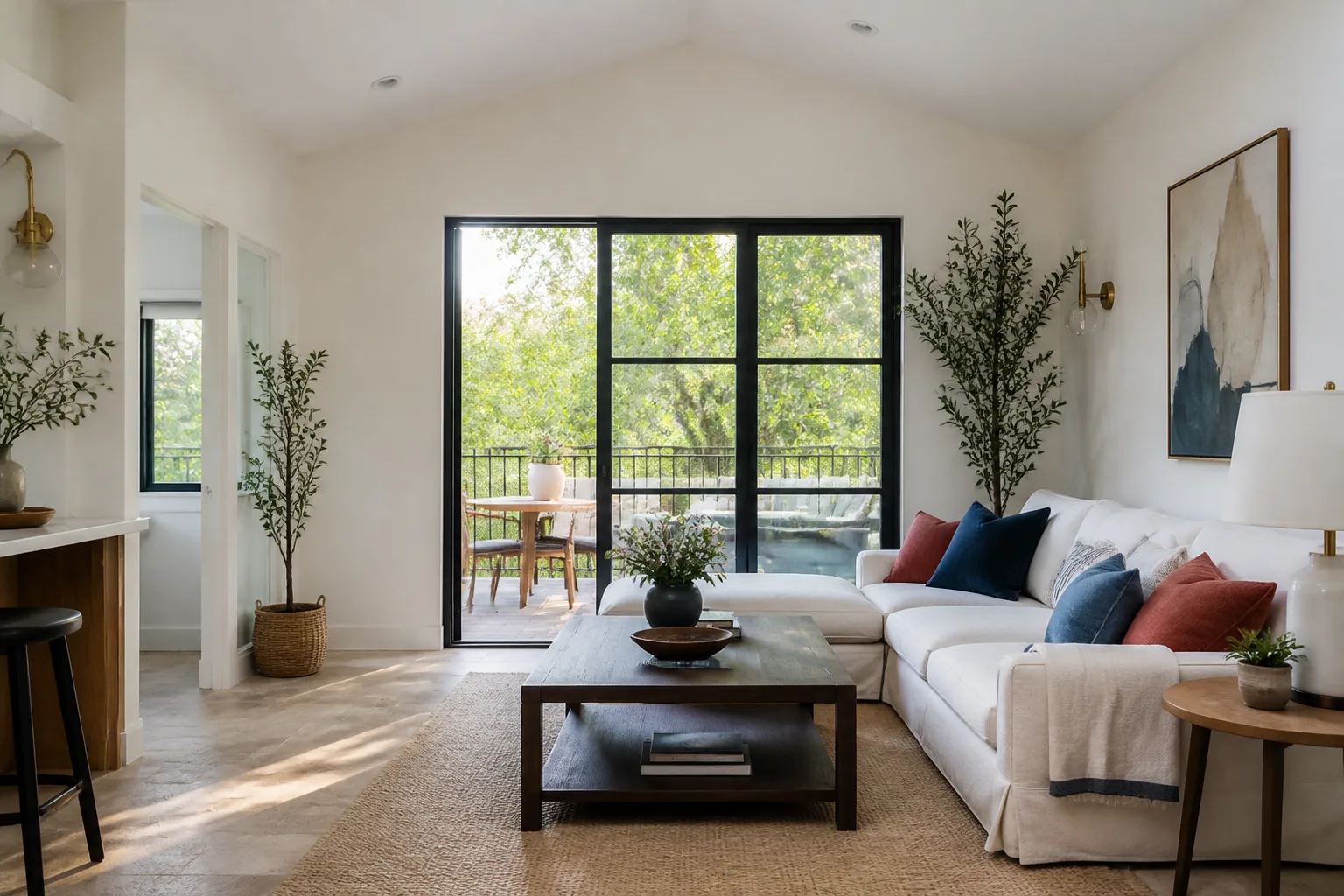
We work with the larger Tuff Shed models that carry enough interior volume to meet Los Angeles junior ADU minimums. The Premier Pro Series and Premier Ranch Series, in the 10×16 and 12×20 footprints and larger, are the ones we see most often in backyards across the San Fernando Valley, the Westside, and South LA. Smaller garden-shed models under 120 square feet rarely make sense for a JADU because LA code requires a minimum 150 square feet of habitable interior space, and you lose real square footage once you account for wall assembly thickness, required clearances, and a proper bathroom.
When we show up, the first thing we check is the model plate and the floor system. Tuff Shed builds on three different foundation types dependng on how the shed was ordered: skid runners, pressure-treated floor joists over blocks, or an engineered concrete pad. Los Angeles building code requires an approved foundation for any dwelling, so if your shed is sitting on skids, we have to lift it and pour a proper perimeter footing before we touch anything inside. That single detail is the most common surprise in a Tuff Shed conversion quote, and we flag it on day one so the written price reflects reality from the start.
For the record: Fielding ADU Builders is an independent contractor. We are not affiliated with Tuff Shed, and we do not sell their factory parts. What we do is source code-compliant components that match your specific Tuff Shed model, including wall framing reinforcement, insulation packages sized for the stud cavity depth Tuff Shed actually uses, and electrical rough-in hardware rated for the smaller panel space these structures leave you.
Signs Your Tuff Shed Junior ADU Conversion Is Failing
- Moisture staining at the wall base or floor edge. Tuff Shed siding is not a weather barrier. Once the interior is sheetrocked, trapped moisture from sprinklers or rain splashback will show up as discoloration within the first wet season unless we install a proper rainscreen and flashing detail first.
- Floor bounce or soft spots near the door. Tuff Shed floor joists are sized for storage loads, not for a bed, a kitchenette, and a person walking across the room every day. If the floor flexes under your weight, the joist span is undersized and needs reinforcement before any finish floor goes down.
- No permit record on file with LA Department of Building and Safety. If you converted the shed without a permit, or a previous contractor told you permits were not necessary, the unit is not a legal dwelling. That affects your homeowners insurance, your refinance, and any future sale. We fix it by pulling the permits retroactively and bringing the work up to current code.
- Electrical that trips when a space heater or window AC runs. Tuff Shed does not ship with an electrical service. If someone wired it as a home workshop circuit, it was never sized for a dwelling load. We run a new subpanel circuit with the amperage a JADU actually requires in Los Angeles, which means a dedicated run from your main panel, not an extension cord buried under bark.
- Door and window frames visibly out of square. Shed-grade framing settles, especially in Los Angeles clay soil that expands in the winter rains and shrinks in the summer dry-out. Out-of-square openings mean the structure has moved, and any finish work installed on top of it will crack within a year.
Replacement Cost & What’s Included
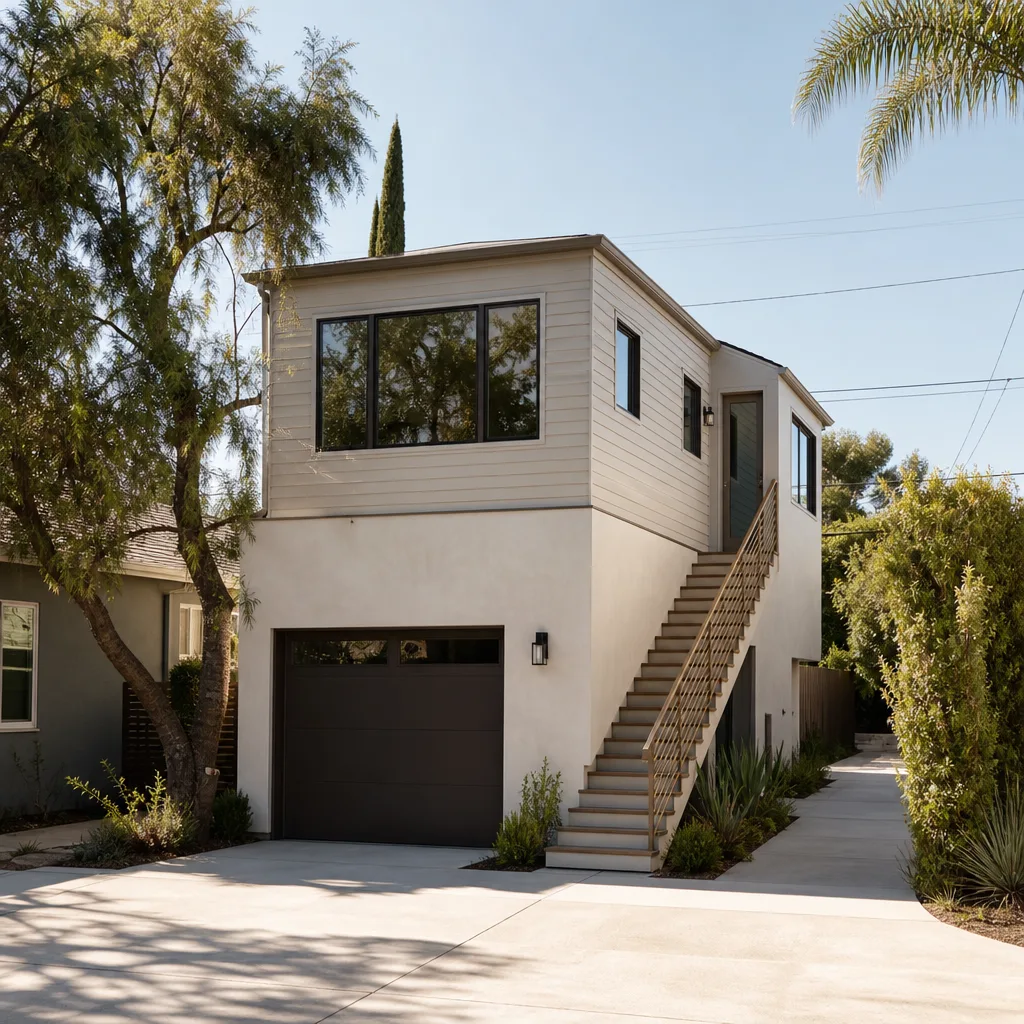
A complete Tuff Shed junior ADU conversion in Los Angeles, permitted and built to code, typically runs $85,000 to $145,000. The spread comes down to three things: whether the shed needs to be lifted for a new foundation ($8,000 to $15,000), whether the property has utility access close to the structure or we have to trench across the yard ($3,000 to $9,000), and how much of the interior finish you want us to handle. That number includes all conversion components, labor, electrical, plumbing for the bathroom, insulation, drywall, flooring, and the permit package. It does not include LADBS permit fees, which the city collects separately and usually run $3,000 to $7,000 for a JADU of this type.
Every Fielding ADU Builders project gets a written price before any work starts, and the number you approve on day one is the number on the final invoice. No change orders because we discovered something we should have seen. The Garrison Standard backs the work in writing for one full year: if something fails inside that window, we come back and make it right at no charge. That covers the conversion components and our labor, not just the parts.
DIY or Call Us?
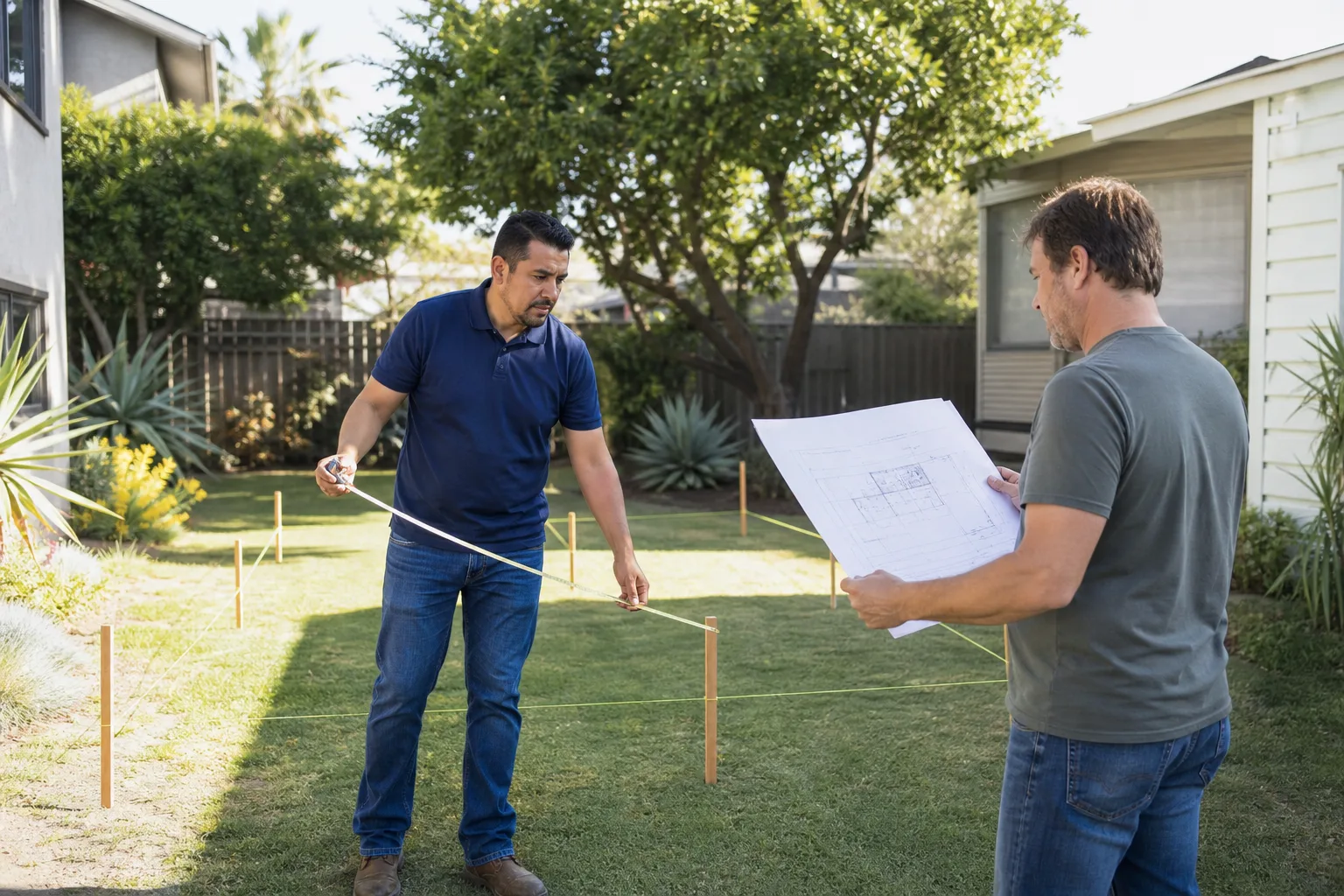
You should not attempt a Tuff Shed junior ADU conversion yourself. The electrical work alone is enough to walk away from: running a subpanel from your main service, trenching conduit, and wiring a dwelling unit is dangerous if you have not done it before, and Los Angeles requires the work to be done by a licensed electrician. The same goes for any gas line work if you want a gas stove or water heater in the unit. What you can safely do yourself is measure your shed footprint, check the model plate, and note where your electrical panel sits on the main house. Those three details will save time when we come out for the estimate.
If you want a real price, call (361) 315-4177. A live person answers, no voicemail queue. We will schedule a site visit, measure what is there, and hand you a written scope of work with a fixed number on it. Then you decide.
FAQs
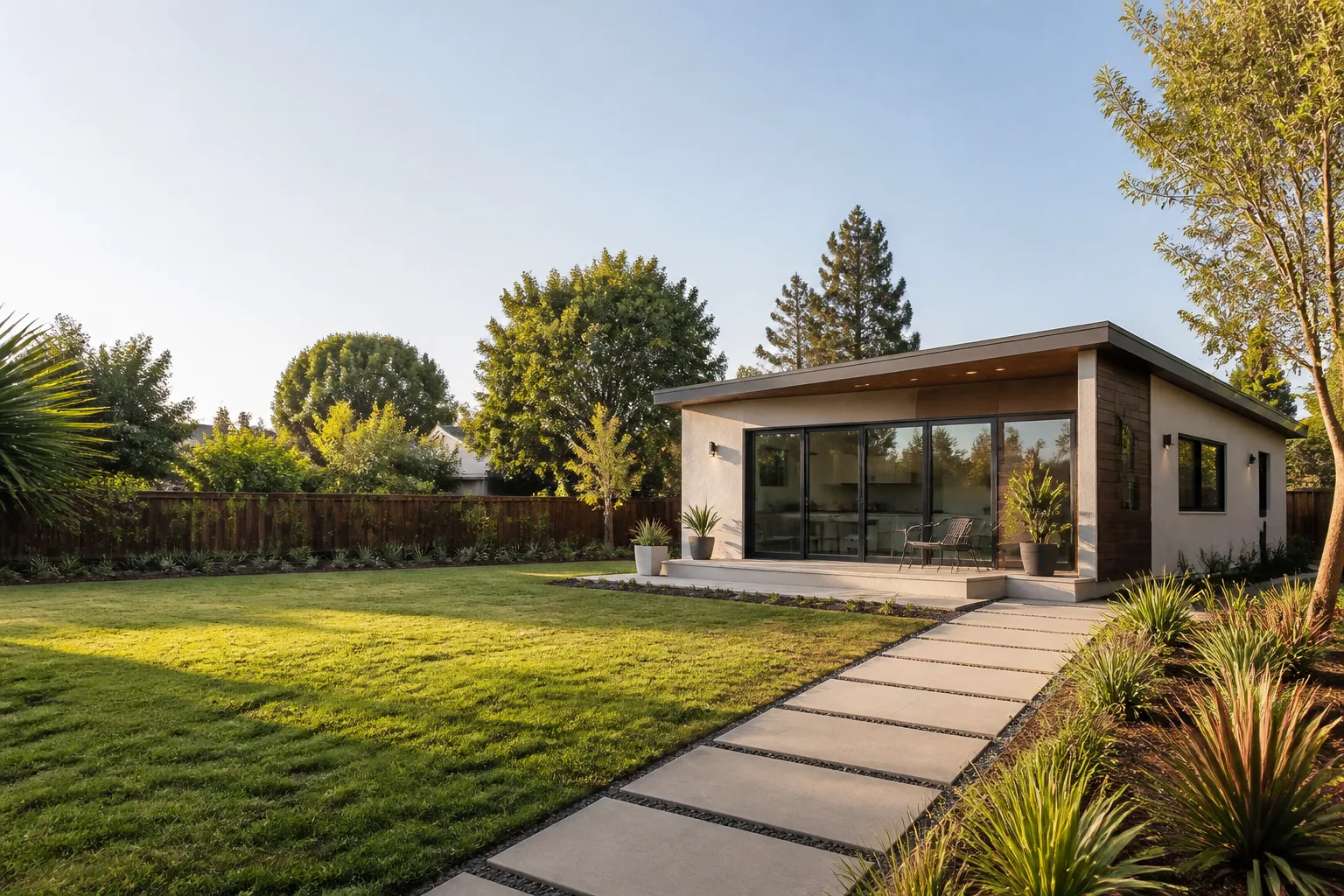
A properly converted Tuff Shed JADU in Los Angeles should last 20 to 30 years if the original structure is lifted onto a code-compliant foundation and the exterior is wrapped correctly before interior finish work begins. The shell itself, with a new rainscreen and proper flashing, will hold up as long as any stick-built ADU in the same climate. Skid-runner sheds left on the ground in Los Angeles clay soil will start showing structural movement within three to five years. Call (361) 315-4177 and we will tell you honestly whether your shed is worth converting or better off replaced.
Yes, most failed or unpermitted Tuff Shed conversions can be repaired and brought into compliance without demolishing the whole structure. We have lifted sheds onto new footings, reinforced undersized floor joists, re-wired entire units, and pulled retroactive permits on work that was never inspected. The decision comes down to the condition of the shell framing, and we will tell you straight if the repair cost is close enough to a new build that replacement makes more sense. Estimates are free.
Most Tuff Shed junior ADU conversions in Los Angeles take 10 to 14 weeks of on-site work once the permit is issued. The permit process itself adds 4 to 8 weeks depending on LADBS review volume and your specific lot conditions. We schedule all trades in sequence so the project does not stall between the foundation, rough-in, and finish phases. Call (361) 315-4177 for a realistic timeline on your specific property.
We source and deliver every component as part of the project. That includes the insulation packages sized to Tuff Shed’s actual stud cavities, the electrical rough-in hardware, the window and door flashing, and the foundation connectors. We do not ask homeowners to order materials, and we do not mark parts up beyond what our suppliers charge plus delivery. We also have experience with Abodu, Cover, and Dvele prefab platforms if you decide your Tuff Shed is not the right starting point and want to compare a factory-built ADU instead.
Written by Reed Calloway, Owner, Fielding ADU Builders at Fielding ADU Builders, serving Los Angeles and nearby areas.