A free site visit, a check of what your lot allows and a written, line-item price.
Get your free estimateWill an ADU Add Value to My Home?
Yes – a properly permitted, well-built ADU almost always adds measurable value to a home, and in most markets it adds more value per square foot than a standard room addition. The key word is “properly.” An unpermitted ADU, a poorly placed unit, or a build that doesn’t match the neighborhood’s price ceiling can undercut the gain. Getting the structure right from the start is what turns the investment into equity.
Most homeowners asking this question are weighing a real decision: spend the money, or don’t. That’s a fair thing to think hard about. What follows is a plain look at the factors that actually determine whether an ADU lifts your home’s value, holds it flat, or – in rare cases – complicates a future sale.
What’s Happening
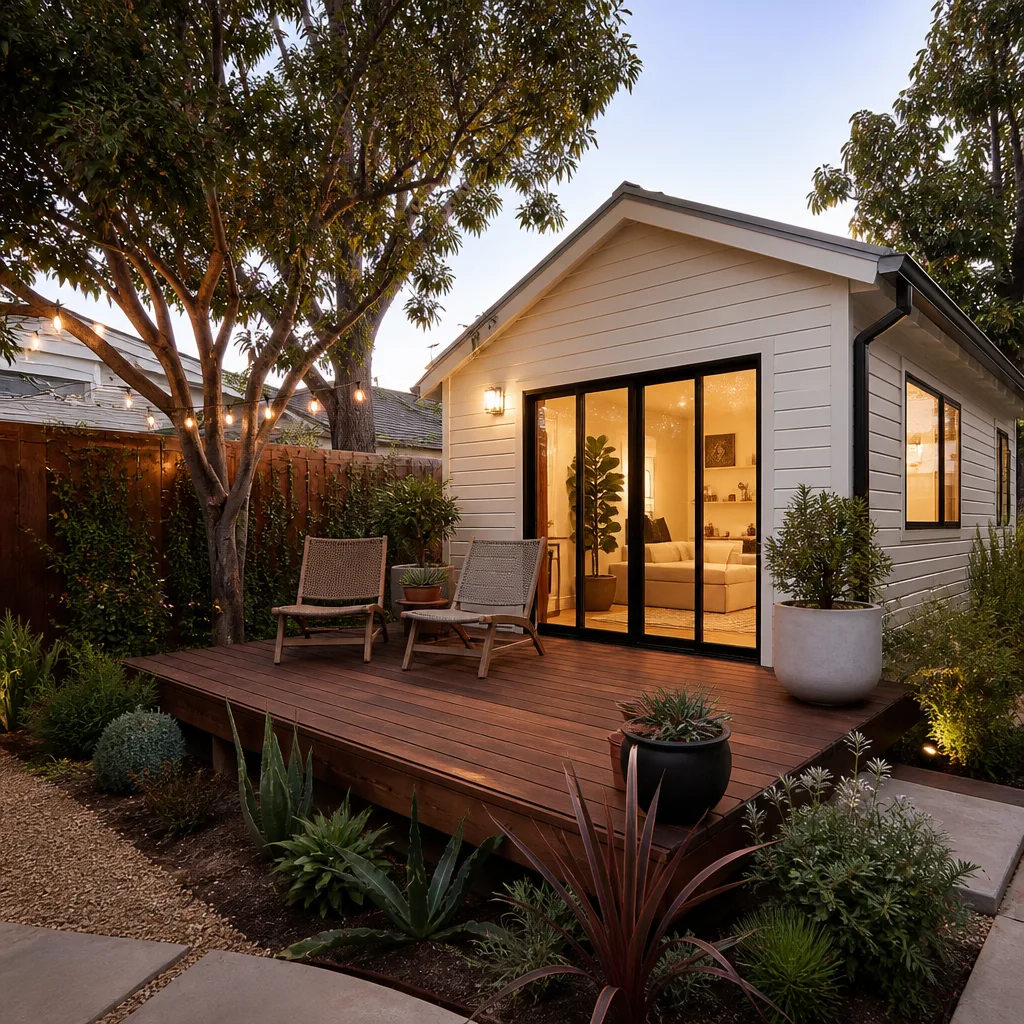
An ADU adds value when it’s permitted, built to code, and functional as independent living space. Appraisers treat a legal ADU as additional rentable square footage, which directly affects your home’s income-producing potential and comparable sale price. An unpermitted structure, or one that can’t pass inspection, may get flagged during a sale and actually reduce what a buyer will offer.
The reason this question is harder to answer than it looks: value depends on your lot, your local market, your zoning, and the quality of the build. A detached ADU on a large lot in a high-demand area performs very differently than a converted garage on a small lot in a market with little rental demand. The build method matters too – a unit framed to The Garrison Standard with permitted electrical, plumbing, and a proper foundation is an asset. A structure thrown up without inspections is a liability waiting to surface at escrow.
Why It Happens (the Four Factors That Determine ADU Value)
1. Permit Status – the Single Biggest Variable
A permitted ADU is a legal dwelling unit. It shows up correctly on your property record, an appraiser can include it in the income approach, and a buyer’s lender can underwrite against it. An unpermitted unit does none of those things – and when it surfaces during inspection, buyers either walk or demand a price reduction that exceeds what you saved by skipping the permit. You can usually tell your situation by checking your county assessor’s record: if the square footage doesn’t match what’s on the ground, something was built without a permit.
2. Build Quality and Finish Level
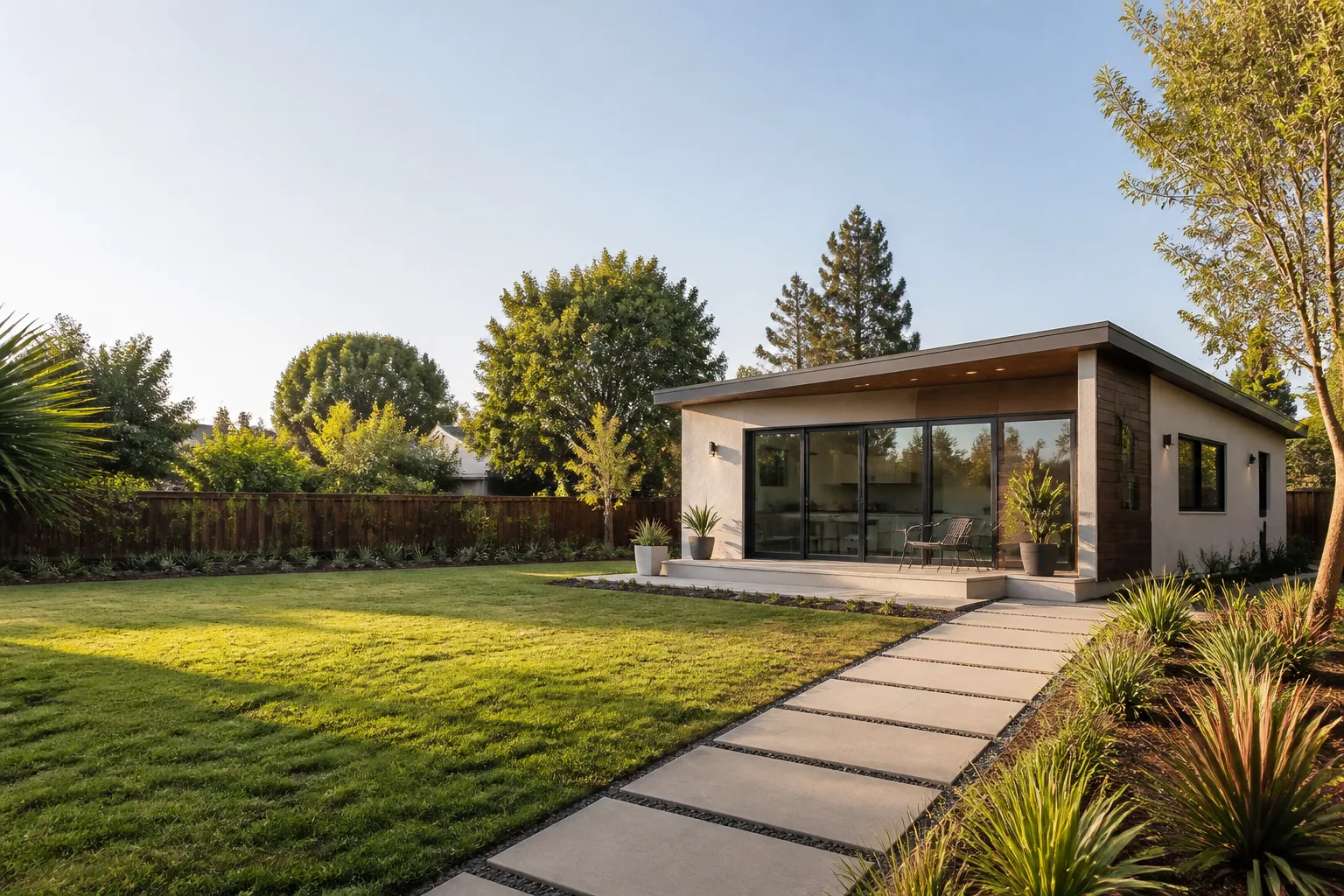
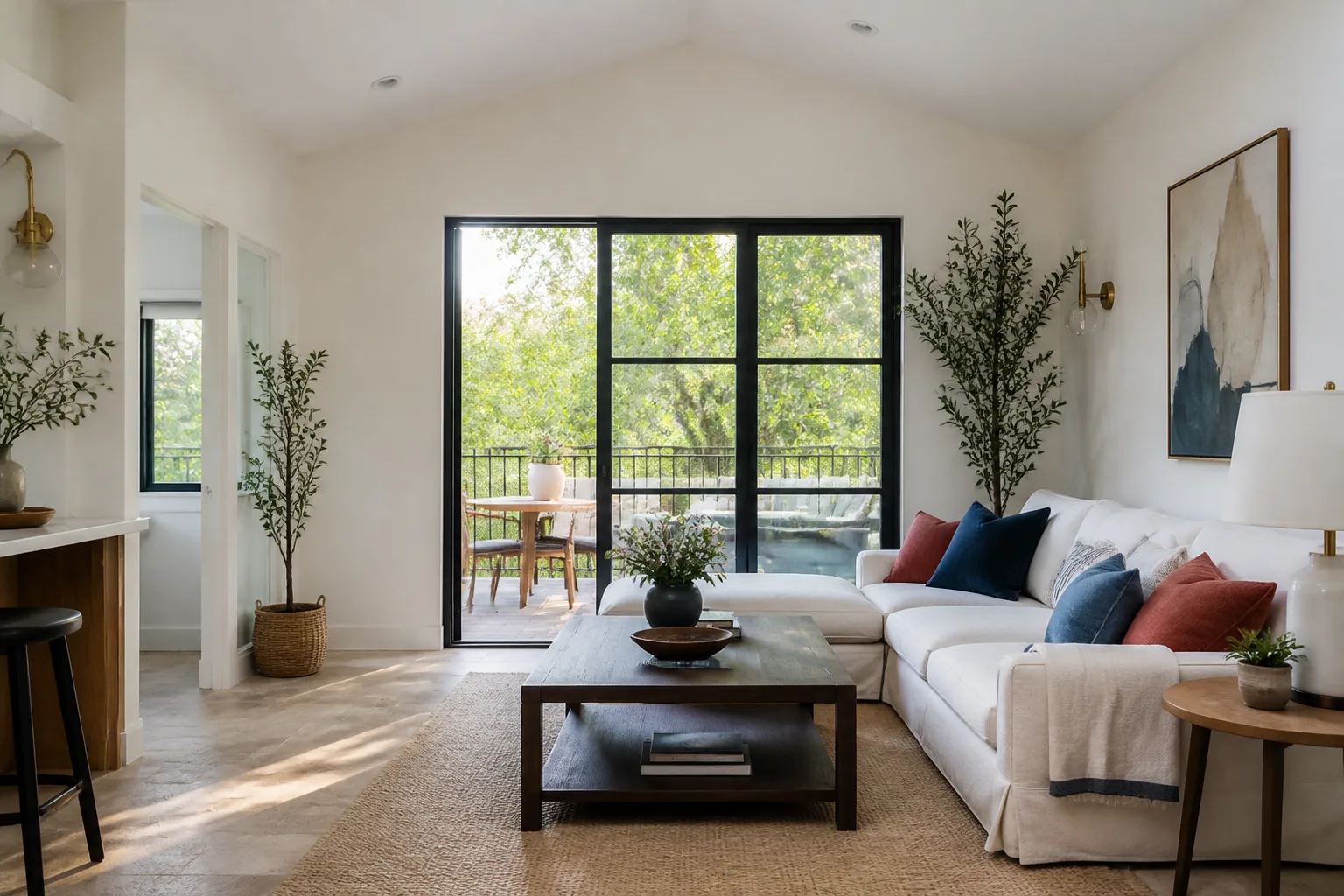
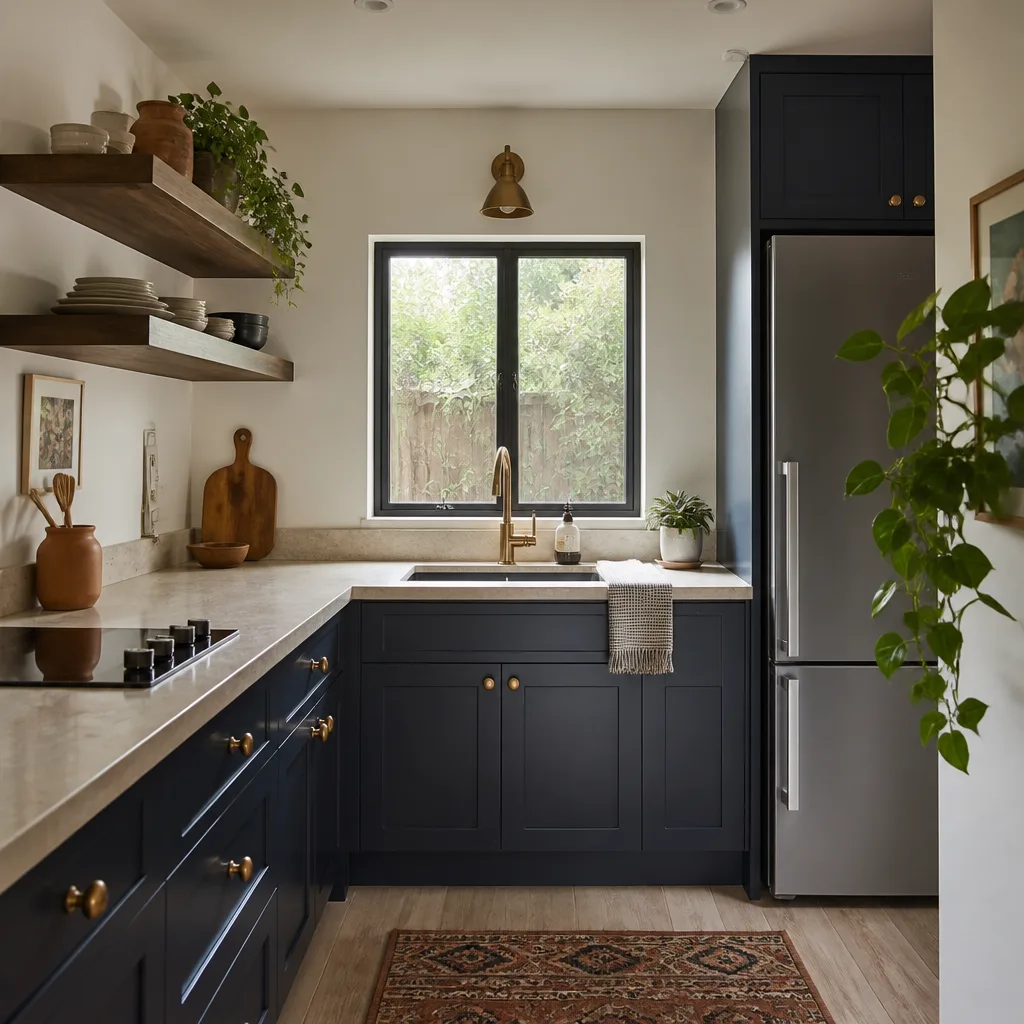
Appraisers compare your ADU against rentals and comparable sales in the area. A unit with a proper kitchen, full bathroom, independent HVAC, and quality exterior – James Hardie siding holds up and photographs well – performs closer to its full value potential. A rough conversion with a utility sink and a window-unit cooler doesn’t appraise the same way, even if the square footage is identical. Walk through the space: if you wouldn’t rent it to someone you respect, an appraiser will notice the same things you did.
3. Unit Type and Lot Fit
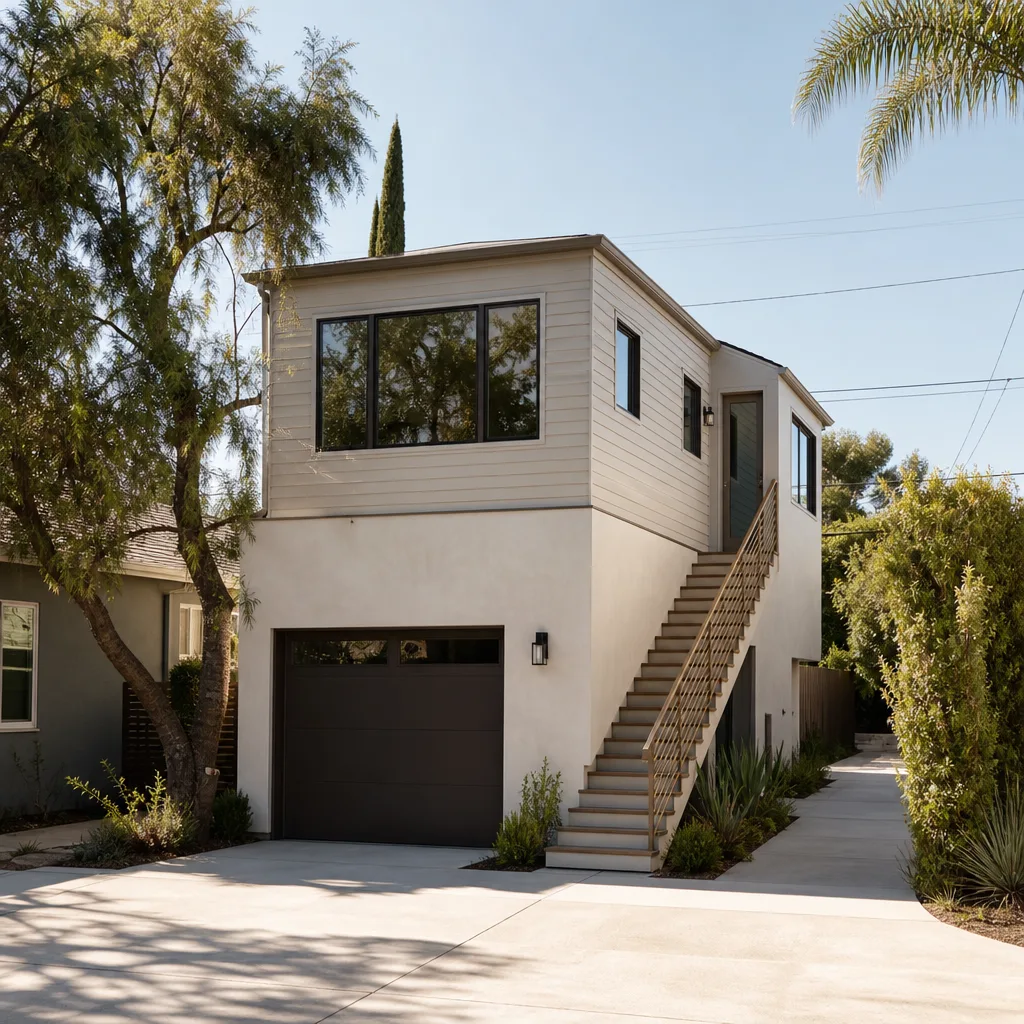
Detached ADUs typically appraise higher than attached ADUs, which typically appraise higher than garage conversions – though a well-executed garage conversion on a lot where parking isn’t scarce can perform very well. The unit needs to fit the lot without crowding it. If the ADU eliminates your only usable outdoor space or the only off-street parking, it may help the rental income calculation but hurt buyer perception on resale. Look at your lot objectively: is there enough room to add without subtracting something else a buyer would want?
4. Market Rental Demand in Your Area
Appraisers in high-rental-demand markets – dense suburbs, college towns, cities with low housing inventory – weight the income potential of an ADU more heavily. In a market with low rental demand, the value add is more modest and comes mainly from the added square footage. This is worth researching before you build: look at rental vacancy rates and what a comparable one-bedroom rents for near your property. If a well-finished ADU would rent quickly and hold its rent, the value case is strong.
What to Do Right Now
- Check your assessor’s property record. Pull up your county assessor’s website and look at the listed square footage and structure count. If you already have a structure that doesn’t appear there, that’s the first thing to address before you add or convert anything.
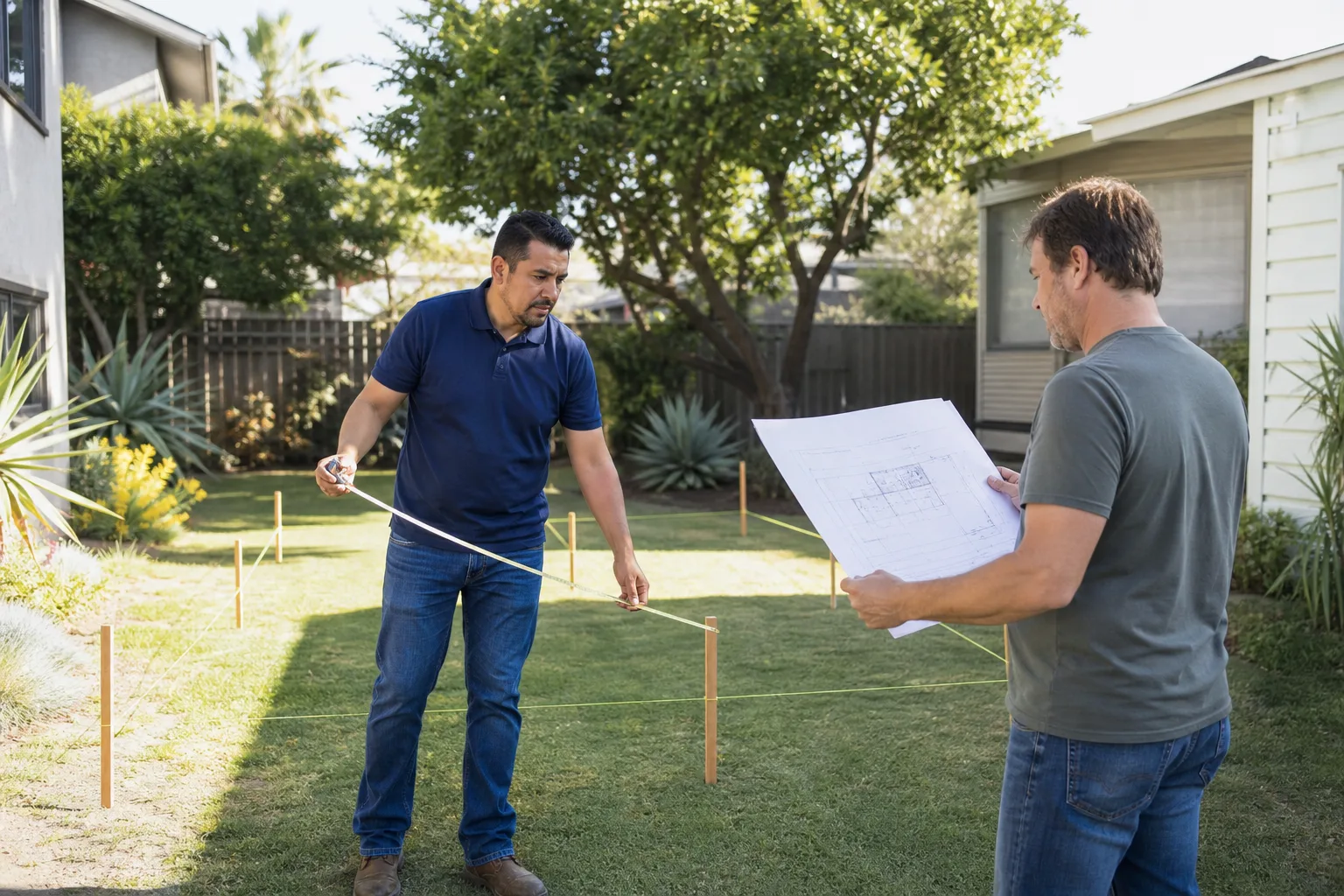
- Note your lot dimensions and setbacks. Most zoning ordinances require minimum setbacks from property lines for ADUs. Measure – or pull your survey – before you start planning a footprint. A unit that can’t pass a setback inspection is a problem from day one.
- Research rental comps in your area. Look at what a clean, furnished one-bedroom rents for within a mile of your home. That number is what an appraiser will use to calculate income value. If it’s strong, your value case is strong.
- Photograph your lot as it sits today. Take photos of the candidate space – garage, backyard, side yard – from multiple angles. When you talk to a builder, these save time and let you get a more accurate written estimate faster.
- Write down your goal before the first call. Are you building for rental income, for a family member, or for resale value? The answer affects which unit type and which build method makes the most sense for your lot and budget. Being clear on this upfront leads to a better conversation.
How We Fix It
When your local Fielding ADU Builders team arrives, the first thing we do is assess your lot, your zoning, and your goal together – no assumptions. We look at setbacks, utility connections, and access before we sketch anything. From there, we’ll walk you through which build path fits your situation: a detached ADU, a garage conversion, a room addition that creates independent living space, or a modular unit from a platform like Abodu, Dvele, or Plant Prefab that can reduce build time without reducing quality.
Every quote goes in writing before any work starts – that’s not a policy we bend. The price you approve is the price on the final invoice. Once the project is underway, we pull the permits, pass the inspections, and finish the site clean. The work is covered by our 365-Day Done Right Promise: if something fails in the first year, we come back and correct it at no charge. Call (361) 315-4177 to schedule your free written estimate.
Frequently Asked Questions
There’s no single number that applies everywhere, which is why we don’t quote a percentage. A permitted, well-finished ADU in a high-rental-demand market can add significant value – sometimes more per square foot than the main house. In softer markets, the gain is more modest. The honest answer is that your local appraisal market and rental demand are the variables that matter most, and those are worth looking into before you commit. Your local Fielding ADU Builders team can walk you through what we’re seeing in your area – call (361) 315-4177 to talk it through.
It can, and the problem usually surfaces at the worst time – during a sale. Buyers’ lenders often can’t underwrite against unpermitted space, which reduces the pool of qualified buyers. Some buyers will ask for a price reduction or a credit to bring it into compliance. If you have an existing unpermitted structure, it’s worth getting a straight answer on what it would take to permit and legalize it before you put the house on the market. Call (361) 315-4177 and we’ll tell you what we’re able to assess.
There’s no emergency here in the way a roof leak is an emergency. But zoning rules and ADU ordinances shift – what’s approvable on your lot today may face additional restrictions in a future update. If you’ve been thinking about this for a while and the lot and the goal are clear, waiting doesn’t make the project simpler. Call (361) 315-4177 to get a written estimate and see what the actual number looks like – then you have real information to make the decision with.
We don’t make promises about start dates before we’ve looked at the lot, reviewed the permit requirements, and put together a written scope and price – that’s the honest answer. What we can do is move through the estimate process without wasting your time. Call (361) 315-4177 and your local Fielding ADU Builders team will schedule a visit, assess the site, and get a written price in your hands so you know exactly where things stand.
Get It Fixed
Your local Fielding ADU Builders team is ready to assess your lot, answer your questions, and put a written price in your hands before any work starts. Call (361) 315-4177 any time – a live person picks up around the clock – or book online. No voicemail, no callback queue.
Written by Reed Calloway, Owner at Fielding ADU Builders, building to The Garrison Standard since 2006.
What Our Customers Say
"Solid job. Cabinet delivery was a week behind but they worked around it."
- Ben G."Insulation, drywall, and finishes were all well done. Feels like part of the house."
- Pete O."Built a detached ADU behind our house. The builder is a veteran and runs the site like a platoon: schedule posted, crew on time, everything labeled. Finished within a few days of the date."
- Ken W.